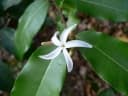
Landolphia parvifolia
Landolphia parvifolia
Safety & Hazards
None known
Botanical Description
Landolphia parvifolia is a lofty, evergreen climbing shrub, producing much-branched stems from 2 metres to several metres long. The stems scramble over the ground or climb into surrounding vegetation, attaching itself by means of strong, hooked tendrils[ 398 Title Edible Wild Plants of Tanzania Publication Author Ruffo, C.K.: Birnie, A. & Tengnas, B. Publisher Regional Land Management Unit; Nairobi. Year 2002 ISBN 9966-896-60-0 Description A very well presented, simple guide to growing and utilizing wild food plants in Tanzania, with line drawings of each plant, a description, habitat and range, non-food as well as food uses, plus basic information on growing the plants. ]. The edible fruit is gathered from the wild for local consumption. A popular wild food, especially with children and travellers, the fruit is sometimes sold in local markets[ 398 Title Edible Wild Plants of Tanzania Publication Author Ruffo, C.K.: Birnie, A. & Tengnas, B. Publisher Regional Land Management Unit; Nairobi. Year 2002 ISBN 9966-896-60-0 Description A very well presented, simple guide to growing and utilizing wild food plants in Tanzania, with line drawings of each plant, a description, habitat and range, non-food as well as food uses, plus basic information on growing the plants. ]. The plant is grown as an ornamental[ 398 Title Edible Wild Plants of Tanzania Publication Author Ruffo, C.K.: Birnie, A. & Tengnas, B. Publisher Regional Land Management Unit; Nairobi. Year 2002 ISBN 9966-896-60-0 Description A very well presented, simple guide to growing and utilizing wild food plants in Tanzania, with line drawings of each plant, a description, habitat and range, non-food as well as food uses, plus basic information on growing the plants. ].