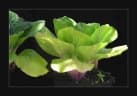
Brassica rapa chinensis
Brassica rapa chinensis
Safety & Hazards
The oil contained in the seed of some varieties of this species can be rich in erucic acid which is toxic. However, modern cultivars have been selected which are almost free of erucic acid.
Botanical Description
Pak choi is a biennial plant developed in cultivation from Brassica rapa. Growing from a taproot that is not fleshy, it forms an open head of twenty or more leaves from a basal rosette. The leaves have thick, fleshy petioles. The plant grows 20 - 40cm tall, eventually producing a flowering stem up to 100cm tall. The plant is widely cultivated in both temperate and tropical areas, but especially in China, for its edible leaves[ 300 Title Vegetables in the Tropics Publication Author Tindall. H. D. Publisher MacMillan, Oxford. Year 1983 ISBN 0-333-24268-8 Description An excellent, in-depth look at the main vegetable crops that can be grown in the Tropics, plus many less well-known plants. ].