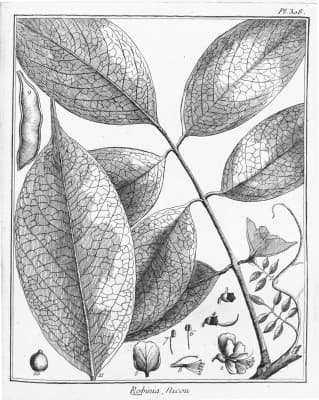
Deguelia utilis
Deguelia utilis
Safety & Hazards
The plant contains rotenone and has been used traditionally as a fish poison[ 748 Title The identity of TIMBÓ-TRUE: Deguelia utilis (A.C.Sm.) A.M.G. AZEVEDO (Leguminosae - Papilionoideae) Publication Author Azevedo-Tozzi, A. M. G. Publisher Revista Brasileira de Biologia Year 1998 ISBN 0034-7108 Description A botanical paper detailing the correct identification of the species Deguelia utilis. It can be downloaded in PDF format from the internet. ] - the rotenone kills or stuns the fish making them easy to catch, but the fish remain perfectly edible for mammals. Rotenone is classified by the World Health Organization as moderately hazardous. It is mildly toxic to humans and other mammals, but extremely toxic to many insects (hence its use as an insecticide) and aquatic life, including fish. This higher toxicity in fish and insects is because the lipophilic rotenone is easily taken up through the gills or trachea, but not as easily through the skin or the gastrointestinal tract. The lowest lethal dose for a child is 143 mg/kg, but human deaths from rotenone poisoning are rare because its irritating action causes vomiting. Deliberate ingestion of rotenone, however, can be fatal. The compound decomposes when exposed to sunlight and usually has an activity of six days in the environment.
Botanical Description
Deguelia utilis is an evergreen shrub or small tree growing up to around 3 metres tall when young, but generally adopting a more climbing habit as it grows older with stems that can climb 15 metres into the surrounding trees[ 748 Title The identity of TIMBÓ-TRUE: Deguelia utilis (A.C.Sm.) A.M.G. AZEVEDO (Leguminosae - Papilionoideae) Publication Author Azevedo-Tozzi, A. M. G. Publisher Revista Brasileira de Biologia Year 1998 ISBN 0034-7108 Description A botanical paper detailing the correct identification of the species Deguelia utilis. It can be downloaded in PDF format from the internet. ]. This species is one of the important sources of the organic insecticide rotenone (the active ingredient in derris). The plant was first cultivated in S. America by the native people before the arrival of the Europeans. They used it as a fish poison and to kill ants. It is now cultivated on a fairly large scale in parts of tropical S. America, the rotenone being exported to various other countries throughout the world[ 317 Title Mansfeld's Database of Agricultural and Horticultural Plants Publication Author Website http://mansfeld.ipk-gatersleben.de/pls/htmldb_pgrc/f?p=185:3:4292127278597336 Publisher Year 0 ISBN Description Terse details of a huge range of useful plants. ].