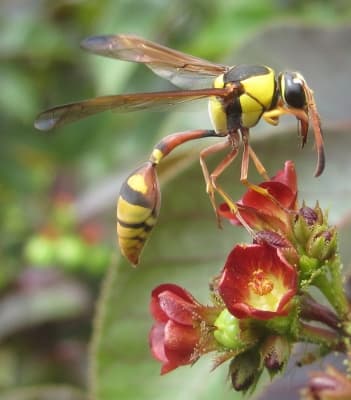
Jatropha gossypiifolia
Jatropha gossypiifolia
Safety & Hazards
The root contains jatrophine, a toxic alkaloid[ 332 Title The Useful Plants of West Tropical Africa. Publication Author Burkil. H. M. Publisher Royal Botanic Gardens; Kew. Year 1985 - 2004 ISBN Description Brief descriptions and details of the uses of over 4,000 plants. A superb, if terse, resource, it is also available electronically on the Web - see http://www.aluka.org/ ]. The viscid sap is said to be poisonous[ 332 Title The Useful Plants of West Tropical Africa. Publication Author Burkil. H. M. Publisher Royal Botanic Gardens; Kew. Year 1985 - 2004 ISBN Description Brief descriptions and details of the uses of over 4,000 plants. A superb, if terse, resource, it is also available electronically on the Web - see http://www.aluka.org/ ]. The fruits of the plant are poisonous to humans and animals. The toxic substance is a toxalbumin which, when eaten, leads to symptoms of gastro-enteritis and eventual death of some animals[ 372 Title Flowers of India Publication Author Website http://www.flowersofindia.net/ Publisher Year 0 ISBN Description A wed site of native Indian plants, plus cultivated and naturalized species. It has good quality photos and terse details on more than 3,000 species and cultivars. ].
Botanical Description
Jatropha gossypiifolia is a much-branched, somewhat succulent, deciduous to evergreen shrub growing up to 3 metres tall[ 299 Title Protabase - Plant Resources of Tropical Africa. Publication Author Website http://www.prota.org Publisher Year 0 ISBN Description An excellent on-line database with detailed information on over 3,200 species of useful plants of Africa. , 332 Title The Useful Plants of West Tropical Africa. Publication Author Burkil. H. M. Publisher Royal Botanic Gardens; Kew. Year 1985 - 2004 ISBN Description Brief descriptions and details of the uses of over 4,000 plants. A superb, if terse, resource, it is also available electronically on the Web - see http://www.aluka.org/ ]. Although poisonous, the plant is often used in traditional medicine, being harvested from the wild for local use. An attractive plant, it is often grown as an ornamental where it is valued in particular for its foliage, which is often tinted purplish or reddish, and for its dark red flowers[ 332 Title The Useful Plants of West Tropical Africa. Publication Author Burkil. H. M. Publisher Royal Botanic Gardens; Kew. Year 1985 - 2004 ISBN Description Brief descriptions and details of the uses of over 4,000 plants. A superb, if terse, resource, it is also available electronically on the Web - see http://www.aluka.org/ ].