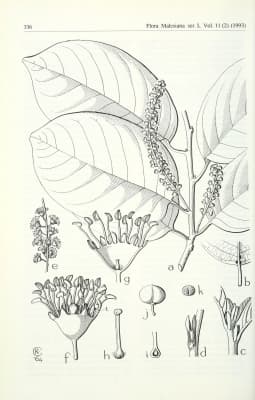
Prunus dolichobotrys
Prunus dolichobotrys
Safety & Hazards
The plant (especially the seed and young shoots) contains cyanogenic glycosides, especially amygdalin and prunasin. When injested, these compounds break down in the digestive tract to release cyanide. Used in small quantities in both traditional and conventional medicine, this exceedingly poisonous compound has been shown to stimulate respiration, improve digestion, and promote a sense of well-being[ 238 Title Encyclopaedia of Herbs and their Uses. Publication Author Bown. D. Publisher Dorling Kindersley, London. Year 1995 ISBN 0-7513-020-31 Description A very well presented and informative book on herbs from around the globe. Plenty in it for both the casual reader and the serious student. Just one main quibble is the silly way of having two separate entries for each plant. ]. It is also claimed by some to be of benefit in the treatment of cancer - though this claim has been largely refuted. In larger concentrations, however, cyanide can cause gasping, weakness, excitement, pupil dilation, spasms, convulsions, coma and respiratory failure leading to death[ 293 Title Poisonous Plants of North Carolina Publication Author Website http://www.ces.ncsu.edu/depts/hort/consumer/poison/poison.htm Publisher Year 0 ISBN Description An excellent concise but comprehensive guide to toxic plants that grow in N. Carolina. It lists even those plants that are of very low toxicity, including several well-known food plants such as carrots and potatoes. ]. The fruits and flowers of most members of this genus generally have low or very low concentrations of this toxin, though the seeds and young shoots can contain much higher levels. The levels of toxin can be detected by the level of bitterness:- for example sweet tasting almond seeds are a major food crop and are often eaten in quantity, whilst bitter tasting almond seeds are used as a flavouring (in marzipan for example) but are not usually eaten on their own. In general, it can be considered safe to eat any fruit or seed from species in this genus that either have a sweet flavour or are slightly bitter. Great caution should be taken, however, if the flavour is moderately to very bitter[ K Title Plants for a Future Author Ken Fern Description Notes from observations, tasting etc at Plants For A Future and on field trips. ].
Botanical Description
Prunus dolichobotrys is a tree that can grow up to 30 metres tall. The straight, cylindrical bole can be free of branches for 4 - 10 metres, 25 - 40cm in diameter and sometimes with small buttresses[ 451 Title Flora Malesiana Series 1 Publication Author Various Website http://www.archive.org Publisher Nationaal Herbarium Nederiand, Universiteit Leiden branch Year 0 ISBN Description A massive treatment of the plants of the Malaysian Archipelago. Much of it has been made available to download from the Internet ]. The tree is sometimes harvested from the wild for local use as a food flavouring and source of wood. The wood is occasionally traded.