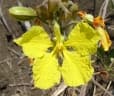
Tylosema fassoglense
Tylosema fassoglense
Safety & Hazards
The plant contains rotenone and has been used traditionally as a fish poison[ 398 Title Edible Wild Plants of Tanzania Publication Author Ruffo, C.K.: Birnie, A. & Tengnas, B. Publisher Regional Land Management Unit; Nairobi. Year 2002 ISBN 9966-896-60-0 Description A very well presented, simple guide to growing and utilizing wild food plants in Tanzania, with line drawings of each plant, a description, habitat and range, non-food as well as food uses, plus basic information on growing the plants. ] - the rotenone kills or stuns the fish making them easy to catch, but the fish remain perfectly edible for mammals. Rotenone is classified by the World Health Organization as moderately hazardous. It is mildly toxic to humans and other mammals, but extremely toxic to many insects (hence its use as an insecticide) and aquatic life, including fish. This higher toxicity in fish and insects is because the lipophilic rotenone is easily taken up through the gills or trachea, but not as easily through the skin or the gastrointestinal tract. The lowest lethal dose for a child is 143 mg/kg, but human deaths from rotenone poisoning are rare because its irritating action causes vomiting. Deliberate ingestion of rotenone, however, can be fatal. The compound decomposes when exposed to sunlight and usually has an activity of six days in the environment.
Botanical Description
Tylosema fassoglense is a trailing or climbing, perennial plant with stems that sometimes become woody below. The stems arise from a large underground tuber, they can be up to 6 metres long, scrambling over other vegetation and attaching themselves by means of hairy tendrils[ 398 Title Edible Wild Plants of Tanzania Publication Author Ruffo, C.K.: Birnie, A. & Tengnas, B. Publisher Regional Land Management Unit; Nairobi. Year 2002 ISBN 9966-896-60-0 Description A very well presented, simple guide to growing and utilizing wild food plants in Tanzania, with line drawings of each plant, a description, habitat and range, non-food as well as food uses, plus basic information on growing the plants. ]. A multipurpose plant providing food, medicines and various materials for the local population. It is commonly harvested from the wild, especially for its edible seeds, which are widely appreciated[ 332 Title The Useful Plants of West Tropical Africa. Publication Author Burkil. H. M. Publisher Royal Botanic Gardens; Kew. Year 1985 - 2004 ISBN Description Brief descriptions and details of the uses of over 4,000 plants. A superb, if terse, resource, it is also available electronically on the Web - see http://www.aluka.org/ ]. It is sometimes cultivated as a source of the pesticide rotenone, and is also grown as an ornamental[ 398 Title Edible Wild Plants of Tanzania Publication Author Ruffo, C.K.: Birnie, A. & Tengnas, B. Publisher Regional Land Management Unit; Nairobi. Year 2002 ISBN 9966-896-60-0 Description A very well presented, simple guide to growing and utilizing wild food plants in Tanzania, with line drawings of each plant, a description, habitat and range, non-food as well as food uses, plus basic information on growing the plants. ].