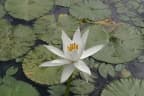
Nymphaea lotus
Nymphaea lotus
Safety & Hazards
None known
Botanical Description
Nymphaea lotus is a herbaceous plant with a perennial rootstock growing from the bottom of ponds and lakes, producing a rosette of large leaves that float on the surface of the water. This plant was one of the most important plants in ancient Egyptian art, ritual, food and medicine, with all parts of the plant being utilized[ 238 Title Encyclopaedia of Herbs and their Uses. Publication Author Bown. D. Publisher Dorling Kindersley, London. Year 1995 ISBN 0-7513-020-31 Description A very well presented and informative book on herbs from around the globe. Plenty in it for both the casual reader and the serious student. Just one main quibble is the silly way of having two separate entries for each plant. ]. The plant is still often used, especially in China and India, as a source of food and medicines, whilst it is also widely grown as an ornamental plant[ 238 Title Encyclopaedia of Herbs and their Uses. Publication Author Bown. D. Publisher Dorling Kindersley, London. Year 1995 ISBN 0-7513-020-31 Description A very well presented and informative book on herbs from around the globe. Plenty in it for both the casual reader and the serious student. Just one main quibble is the silly way of having two separate entries for each plant. ].