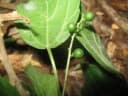
Celtis gomphophylla
Celtis gomphophylla
Safety & Hazards
Wood dust may cause irritation to nose and throat[ 299 Title Protabase - Plant Resources of Tropical Africa. Publication Author Website http://www.prota.org Publisher Year 0 ISBN Description An excellent on-line database with detailed information on over 3,200 species of useful plants of Africa. ].
Botanical Description
Celtis gomphophylla varies considerably in habit, from a shrub to a tree with a spreading crown; it can be from 3 - 30 metres tall, or even up to 60 metres according to some reports. The tree can be evergreen or deciduous according to the climate in which it is growing. The bole is often irregular or gnarled, it can be unbranched for up to 13 metres and is usually up to 40cm in diameter, but can be up to 120cm. It is often fluted, sometimes with low but spreading buttresses[ 299 Title Protabase - Plant Resources of Tropical Africa. Publication Author Website http://www.prota.org Publisher Year 0 ISBN Description An excellent on-line database with detailed information on over 3,200 species of useful plants of Africa. ]. The tree is harvested from the wild for local use as a medicine, snake repellant and source of wood. The wood is also harvested commercially for export. The tree is grown to provide shade for crops and can also be used as a pioneer plant in reforestation projects.