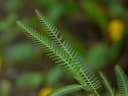
Aeschynomene indica
Aeschynomene indica
Safety & Hazards
There are reports that the plant may sometimes be toxic to animals[ 418 Title Ecocrop Publication Author Website http://ecocrop.fao.org/ecocrop/srv/en/home Publisher Year 0 ISBN Description Basic information on a wide range of useful plants, plus details of environmental needs where available. ].
Botanical Description
Aeschynomene indica is an erect, usually annual, leguminous herb, though it sometimes lives for more than one year and then becomes more shrub-like[ 418 Title Ecocrop Publication Author Website http://ecocrop.fao.org/ecocrop/srv/en/home Publisher Year 0 ISBN Description Basic information on a wide range of useful plants, plus details of environmental needs where available. ]. The stems can be 30 - 250cm tall, they are hollow and pithy, mostly to about 5mm diameter (but up to 25mm at the base)[ 418 Title Ecocrop Publication Author Website http://ecocrop.fao.org/ecocrop/srv/en/home Publisher Year 0 ISBN Description Basic information on a wide range of useful plants, plus details of environmental needs where available. ]. The plant is gathered from the wild for local use as a food, medicine and source of material for craftwork. It is also sometimes grown as a green manure. Aeschynomene indica is a widespread species that grows in a wide range of habitats and faces no major threats. The plant is classified as 'Least Concern' in the IUCN Red List of Threatened Species(2019)[ 338 Title IUCN Red List of Threatened Species Publication Author Website http://www.iucnredlist.org/ Publisher Year 0 ISBN Description A list of plants under threat and facing possible extinction, usually with brief details of the threats and information on habitat. ].