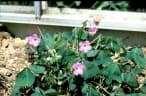
Oxalis tetraphylla
Oxalis tetraphylla
Safety & Hazards
The leaves contain oxalic acid, which gives them their sharp flavour. Perfectly all right in small quantities, the leaves should not be eaten in large amounts since oxalic acid can bind up the body's supply of calcium leading to nutritional deficiency. The quantity of oxalic acid will be reduced if the leaves are cooked. People with a tendency to rheumatism, arthritis, gout, kidney stones or hyperacidity should take especial caution if including this plant in their diet since it can aggravate their condition[ 238 Title Encyclopaedia of Herbs and their Uses. Publication Author Bown. D. Publisher Dorling Kindersley, London. Year 1995 ISBN 0-7513-020-31 Description A very well presented and informative book on herbs from around the globe. Plenty in it for both the casual reader and the serious student. Just one main quibble is the silly way of having two separate entries for each plant. ].
Botanical Description
Oxalis tetraphylla is a perennial plant growing about 15cm tall and spreading by means of a running rootstock to form quite large clumps. The plant is gathered from the wild for its edible leaves and flowers, which are consumed locally. This species has escaped from cultivation and become naturalized in many areas of the tropics.