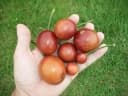
Capparis tomentosa
Capparis tomentosa
Safety & Hazards
The roots are toxic[ 332 Title The Useful Plants of West Tropical Africa. Publication Author Burkil. H. M. Publisher Royal Botanic Gardens; Kew. Year 1985 - 2004 ISBN Description Brief descriptions and details of the uses of over 4,000 plants. A superb, if terse, resource, it is also available electronically on the Web - see http://www.aluka.org/ , 418 Title Ecocrop Publication Author Website http://ecocrop.fao.org/ecocrop/srv/en/home Publisher Year 0 ISBN Description Basic information on a wide range of useful plants, plus details of environmental needs where available. ]. There are conflicting reports about the leaves and fruit, they are considered to be edible in some areas and toxic in others[ 332 Title The Useful Plants of West Tropical Africa. Publication Author Burkil. H. M. Publisher Royal Botanic Gardens; Kew. Year 1985 - 2004 ISBN Description Brief descriptions and details of the uses of over 4,000 plants. A superb, if terse, resource, it is also available electronically on the Web - see http://www.aluka.org/ ]. The leaves are browsed by livestock without apparent harm[ 418 Title Ecocrop Publication Author Website http://ecocrop.fao.org/ecocrop/srv/en/home Publisher Year 0 ISBN Description Basic information on a wide range of useful plants, plus details of environmental needs where available. ].
Botanical Description
Capparis tomentosa is a deciduous, spiny plant that can vary in habit. Often an erect or scrambling shrub with stems 1 - 3 metres long, it can become a climbing shrub, clambering over other vegetation to a height of 6 metres or perhaps more; less often it becomes a small well branched tree that grows up to 10 metres tall with an upright bole 13 - 15 cm in diameter that is covered with scattered spines[ 308 Title Flora Zambesiaca Publication Author Website http://apps.kew.org/efloras/fz/intro.html Publisher Year 0 ISBN Description An excellent online flora of plants from the Zambezi River basin. It lists a number of the plant uses as well as the habitats and botanical descriptions of the plants. ]. The plant is often gathered from the wild for medicinal use, whilst there are conflicting reports of the leaves and fruit being edible[ 332 Title The Useful Plants of West Tropical Africa. Publication Author Burkil. H. M. Publisher Royal Botanic Gardens; Kew. Year 1985 - 2004 ISBN Description Brief descriptions and details of the uses of over 4,000 plants. A superb, if terse, resource, it is also available electronically on the Web - see http://www.aluka.org/ ].