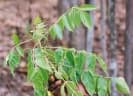
Brucea javanica
Brucea javanica
Safety & Hazards
Many biologically-active compounds are found in this plant, and they are responsible for the plants efficacy in treating medical conditions such as malaria and amoebic dysentery. These compounds are also mildy toxic to the body, though at recommended medicinal doses this herb is considered safe for use, any toxicity being at a similar level to currently accepted pharmaceutical preparations used in treating the same conditions[ 1743 Title Acute Toxicity of Brucea javanica Merril Leaves Extract on Mice Publication J. Trop. Life. Science; Volume 2, Number 2,, pp 29-31, May 2012 Author Angelina M. et al Publisher Year 2012 ISBN Description ].
Botanical Description
Brucea jacanica is a short-lived, evergreen shrub or small tree with soft-haired twigs and leaves that can grow up to 10 metres tall[ 283 Title Medicinal Plants in Vietnam Publication Author Nguyen Van Dan & Doan Thi Nhu Publisher World Health Organisation Year 1989 ISBN 92 9061 101 4 Description An excellent book, giving information on over 200 plants, their medicinal compounds and applications. , 310 Title Plant Resources of Southeast Asia Publication Author Website http://proseanet.org/ Publisher Year 0 ISBN Description Lots of information on the uses of the plants of SE Asia. ]. The fruits, roots and occasionally other parts of the plant are gathered from the wild for medicinal use, and are also sold in local markets[ 46 Title Dictionary of Economic Plants. Publication Author Uphof. J. C. Th. Publisher Weinheim Year 1959 ISBN - Description An excellent and very comprehensive guide but it only gives very short descriptions of the uses without any details of how to utilize the plants. Not for the casual reader. , 310 Title Plant Resources of Southeast Asia Publication Author Website http://proseanet.org/ Publisher Year 0 ISBN Description Lots of information on the uses of the plants of SE Asia. ].