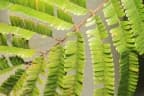
Parkia bicolor
Parkia bicolor
Safety & Hazards
None known
Botanical Description
Parkia bicolor is a briefly deciduous tree with an open, widely spreading crown; it can grow up to 40 metres tall. The cylindrical bole is usually straight but is sometimes twisted or curved. It can be up to 100cm, occasionally 150cm, in diameter, with thin and fairly spreading buttresses up to 3 metres tall[ 299 Title Protabase - Plant Resources of Tropical Africa. Publication Author Website http://www.prota.org Publisher Year 0 ISBN Description An excellent on-line database with detailed information on over 3,200 species of useful plants of Africa. ]. The tree is mainly harvested from the wild - its wood is exploited commercially whilst it also provides food and medicines for the local population. It is sometimes cultivated for its edible pods and seeds[ 317 Title Mansfeld's Database of Agricultural and Horticultural Plants Publication Author Website http://mansfeld.ipk-gatersleben.de/pls/htmldb_pgrc/f?p=185:3:4292127278597336 Publisher Year 0 ISBN Description Terse details of a huge range of useful plants. ]. It is usually left when areas of forest are felled for agriculture due to the edible fruits and seeds it produces[ 338 Title IUCN Red List of Threatened Species Publication Author Website http://www.iucnredlist.org/ Publisher Year 0 ISBN Description A list of plants under threat and facing possible extinction, usually with brief details of the threats and information on habitat. ]. There are no major threats to this taxon, however, there are general threats to the habitats within the species range. These include logging, urbanization and agriculture. The plant is classified as 'Least Concern' in the IUCN Red List of Threatened Species(2011)[ 338 Title IUCN Red List of Threatened Species Publication Author Website http://www.iucnredlist.org/ Publisher Year 0 ISBN Description A list of plants under threat and facing possible extinction, usually with brief details of the threats and information on habitat. ].