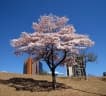
Tabebuia roseoalba
Tabebuia roseoalba
Safety & Hazards
None known
Botanical Description
Tabebuia roseoalba is a deciduous tree with an upright, pyramidal crown; it can grow 7 - 16 metres tall, occasionally to 25 metres. The bole can be 40 - 50cm in diameter[ 419 Title Brazilian Trees. Volume 1. 4th Edition. Publication Author Lorenzi. H. Publisher Instituto Plantarum De Estudos Da Flora; Brazil. Year 2002 ISBN 85-86714-17-8 Description Information on 350 species of Brazilian trees. Stunning photographs of each species, brief details on the plant, its uses and how to grow it from seed. A superb work, with the minor irritation that the translation from Portuguese is not of the best. , 2095 Title Bignoniaceae: Part II (Tribe Tecomeae) Publication Flora Neotropica Monograph Vol. 25, No. 2 pp 1-370 Author Gentry A.H. Publisher The New York Botanical Garden, New York Year 1992 ISBN 0-89327-368-6 Description ]. The tree is harvested from the wild for local use and trade of its wood. A very ornamental tree, valued especially for its exuberant flowering, the dense, bluish-green foliage, and the shape of its crown. Tabebuia roseoalba is one of many species that are a source of Ipê, a valuable timber that is harvested in large quantities for trade. Threats to this species due to over-exploitation and destruction of its environment are continuing and may grow in the coming decades, therefore it is suspected that this species will experience a population decline of at least 25% over the next 100 years. The plant is classified as 'Near Threatened' in the IUCN Red List of Threatened Species(2021)[ 338 Title IUCN Red List of Threatened Species Publication Author Website http://www.iucnredlist.org/ Publisher Year 0 ISBN Description A list of plants under threat and facing possible extinction, usually with brief details of the threats and information on habitat. ].