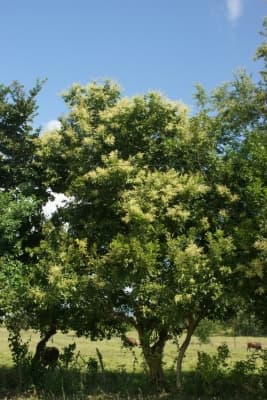
Sapindus saponaria
Sapindus saponaria
Safety & Hazards
The seeds are toxic[ 307 Title Tropical and Subtropical Trees - A Worldwide Encyclopaedic Guide. Publication Author Barwick. M. Publisher Thames & Hudson, London Year 2004 ISBN 0-500-51181-0 Description A superb book, very concise and well written, giving a wealth of information on 400 or more species including descriptions, habitat, cultivation details and plant uses. A wealth of colour photographs bring each plant vividly to life. ]. They are used as a fish poison[ 331 Title Flora of Guatemala Publication Author Standley P.C. & J. A. Steyermark Website http://www.archive.org/ Publisher Year 1946 - 1976 ISBN Description A superb reference, though somewhat dated. Gives lots of plant uses as well as information on plant habit and habitat. The entire flora (13 volumes) can now be downloaded from http://www.archive.org/ ]. The fruits and the seeds contain up to 30% emulsifying saponins[ 307 Title Tropical and Subtropical Trees - A Worldwide Encyclopaedic Guide. Publication Author Barwick. M. Publisher Thames & Hudson, London Year 2004 ISBN 0-500-51181-0 Description A superb book, very concise and well written, giving a wealth of information on 400 or more species including descriptions, habitat, cultivation details and plant uses. A wealth of colour photographs bring each plant vividly to life. , 348 Title Medicinal Plants of the Guianas Publication Author DeFilipps, R. A.; Maina, S. L.; & Crepin, J. Website http://botany.si.edu/bdg/medicinal/index.html Publisher Smithsonian Museum Year 0 ISBN Description A down-loadable PDF document of a book in pre-publication awaiting illustration. An excellent, if rather terse, guide to the traditional medicinal uses of the plants of the region ]. Although poisonous, saponins are poorly absorbed by the human body and so most pass through without harm. Saponins are quite bitter and can be found in many common foods such as some beans. They can be removed by carefully leaching in running water. Thorough cooking, and perhaps changing the cooking water once, will also normally remove most of them. However, it is not advisable to eat large quantities of food that contain saponins. Saponins are much more toxic to some creatures, such as fish, and hunting tribes have traditionally put large quantities of them in streams, lakes etc in order to stupefy or kill the fish[ K Title Plants for a Future Author Ken Fern Description Notes from observations, tasting etc at Plants For A Future and on field trips. ].
Botanical Description
Soapberry is an attractive evergreen tree with a dense, broad, globose crown; usually growing 9 - 15 metres tall with occasional specimens larger. The short bole can be 56cm in diameter[ 419 Title Brazilian Trees. Volume 1. 4th Edition. Publication Author Lorenzi. H. Publisher Instituto Plantarum De Estudos Da Flora; Brazil. Year 2002 ISBN 85-86714-17-8 Description Information on 350 species of Brazilian trees. Stunning photographs of each species, brief details on the plant, its uses and how to grow it from seed. A superb work, with the minor irritation that the translation from Portuguese is not of the best. , 451 Title Flora Malesiana Series 1 Publication Author Various Website http://www.archive.org Publisher Nationaal Herbarium Nederiand, Universiteit Leiden branch Year 0 ISBN Description A massive treatment of the plants of the Malaysian Archipelago. Much of it has been made available to download from the Internet ]. The fruit is a rich source of saponins and is often used as a soap - it is sold in local markets. The tree also supplies an oil, insecticide, timber and seeds that are used as beads. It is sometimes grown for its fruit and is often planted as an ornamental and to provide shade in the tropics and subtropics[ 200 Title The New RHS Dictionary of Gardening. 1992. Publication Author Huxley. A. Publisher MacMillan Press Year 1992 ISBN 0-333-47494-5 Description Excellent and very comprehensive, though it contains a number of silly mistakes. Readable yet also very detailed. ].