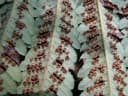
Cibotium glaucum
Cibotium glaucum
Safety & Hazards
Although we have found no reports of toxicity for this species, a number of ferns contain carcinogens so some caution is advisable[ 200 Title The New RHS Dictionary of Gardening. 1992. Publication Author Huxley. A. Publisher MacMillan Press Year 1992 ISBN 0-333-47494-5 Description Excellent and very comprehensive, though it contains a number of silly mistakes. Readable yet also very detailed. ]. Many ferns also contain thiaminase, an enzyme that robs the body of its vitamin B complex. In small quantities this enzyme will do no harm to people eating an adequate diet that is rich in vitamin B, though large quantities can cause severe health problems. The enzyme is destroyed by heat or thorough drying, so cooking the plant will remove the thiaminase[ 172 Title Discovering Wild Plants - Alaska, W. Canada and the Northwest. Publication Author Schofield. J. J. Publisher Alaska Northwest Books; Alaska Year 2003 ISBN 0882403699 Description A nice guide to some useful plants in that area. ].
Botanical Description
Cibotium glaucum is an evergreen tree fern usually growing up to 3 metres tall, but occasionally to 8 metres. The bole, which can be 20 - 60cm in diameter, is topped by a rosette of large fronds[ 399 Title Hawaiian Native Plant Propagation Database Publication Author Website http://pdcs.ctahr.hawaii.edu:591/hawnprop/ Publisher Year 0 ISBN Description Detailed information on the propagation of a wide range of Hawaiian plants. ]. Individual fronds can be 6 metres long[ 436 Title Native Plants Hawaii Publication Author Website http://nativeplants.hawaii.edu/plant/ Publisher Year 0 ISBN Description A website containing information on a range of native Hawaiian plants, with descriptions, habitat, traditional uses etc. ]. The plant is gathered from the wild, mainly for local use as a source of fibre and emergency food supply. The export of fibre for use as a stuffing material, particularly from this species, had a negative impact on the Hawaiian forests. Tall plants were cut down to gather the fibre more easily. From 1851 to 1884, several hundred thousand kilos of fibre were collected annually from the Kīlauea region on Hawaii Island and shipped to North America with a peak in 1862 of over 335,000 kilos. The onslaught seriously altered the native forests by removing the understory plants and thus making room for alien species to invade the forests. Fibre gatherers would often kill the entire plant for the fibre on the top. However, the trunks are basically an entire root structure in themselves and those plants that were cut down without destroying the plant usually grew back[ 436 Title Native Plants Hawaii Publication Author Website http://nativeplants.hawaii.edu/plant/ Publisher Year 0 ISBN Description A website containing information on a range of native Hawaiian plants, with descriptions, habitat, traditional uses etc. ].