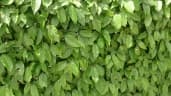
Baphia nitida
Baphia nitida
Safety & Hazards
None known
Botanical Description
Baphia nitida is a many-stemmed erect shrub or small tree growing from 2.5 - 10 metres tall[ 299 Title Protabase - Plant Resources of Tropical Africa. Publication Author Website http://www.prota.org Publisher Year 0 ISBN Description An excellent on-line database with detailed information on over 3,200 species of useful plants of Africa. , 418 Title Ecocrop Publication Author Website http://ecocrop.fao.org/ecocrop/srv/en/home Publisher Year 0 ISBN Description Basic information on a wide range of useful plants, plus details of environmental needs where available. ]. The tree is the source of a very good quality red dye and, before the advent of chemical dyes, it was heavily exploited[ 299 Title Protabase - Plant Resources of Tropical Africa. Publication Author Website http://www.prota.org Publisher Year 0 ISBN Description An excellent on-line database with detailed information on over 3,200 species of useful plants of Africa. ]. The tree is often cultivated near villages, formerly as a dyewood but now more often as an ornamental shade tree or as fence and hedge[ 299 Title Protabase - Plant Resources of Tropical Africa. Publication Author Website http://www.prota.org Publisher Year 0 ISBN Description An excellent on-line database with detailed information on over 3,200 species of useful plants of Africa. ]. In some regions the tree is considered sacred, endowed with the power to protect against evil spirits and to attract benevolent ones[ 299 Title Protabase - Plant Resources of Tropical Africa. Publication Author Website http://www.prota.org Publisher Year 0 ISBN Description An excellent on-line database with detailed information on over 3,200 species of useful plants of Africa. ]. Widespread in west Africa, there are no major threats to this species at present. However, it is largely utilized locally throughout its range as a source of building materials, for making dye, in folk medicine and as a cosmetic, therefore the species should be monitored in the future to make sure of the status and health of the populations. It is classified as 'Least Concern' in the IUCN Red List of Threatened Species(2011)[ 338 Title IUCN Red List of Threatened Species Publication Author Website http://www.iucnredlist.org/ Publisher Year 0 ISBN Description A list of plants under threat and facing possible extinction, usually with brief details of the threats and information on habitat. ].