Cestrum nocturnum
Cestrum nocturnum
Safety & Hazards
All parts of the plant are poisonous[ 413 Title Global Invasive Species Database Publication Author Website http://www.issg.org/database/welcome/ Publisher Year 0 ISBN Description Very detailed information on almost 400 species (with more being added) of plants that have become weeds in areas outside their native range. ]. The toxic principles are solanine-type glyco-alkaloids and atropine-like alkaloids. The symptoms are headache, dizziness, hallucinations, nausea, vomiting, bloody diarrhoea, muscular spasms and nervousness, high temperature, salivation and sweating, paralysis and coma[ 293 Title Poisonous Plants of North Carolina Publication Author Website http://www.ces.ncsu.edu/depts/hort/consumer/poison/poison.htm Publisher Year 0 ISBN Description An excellent concise but comprehensive guide to toxic plants that grow in N. Carolina. It lists even those plants that are of very low toxicity, including several well-known food plants such as carrots and potatoes. ].
Botanical Description
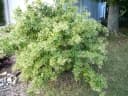
Lady of the night is an evergreen shrub growing up to 3.5 metres tall. The plant is widely cultivated in the tropics and subtropics, mainly as an ornamental and hedge plant, but also sometimes for its medicinal uses[ 317 Title Mansfeld's Database of Agricultural and Horticultural Plants Publication Author Website http://mansfeld.ipk-gatersleben.de/pls/htmldb_pgrc/f?p=185:3:4292127278597336 Publisher Year 0 ISBN Description Terse details of a huge range of useful plants. ].