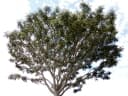
Schizolobium parahyba
Schizolobium parahyba
Safety & Hazards
None known
Botanical Description
Schizolobium parahyba is a deciduous tree with a wide-spreading, flat-topped crown; it can grow 20 - 35 metres tall. The straight, cylindrical bole is buttressed; it can be 60 - 80cm in diameter. The young tree is often mistaken for a fern or a palm, because young sterile plants are usually unbranched with leaves over two metres long[ 418 Title Ecocrop Publication Author Website http://ecocrop.fao.org/ecocrop/srv/en/home Publisher Year 0 ISBN Description Basic information on a wide range of useful plants, plus details of environmental needs where available. , 419 Title Brazilian Trees. Volume 1. 4th Edition. Publication Author Lorenzi. H. Publisher Instituto Plantarum De Estudos Da Flora; Brazil. Year 2002 ISBN 85-86714-17-8 Description Information on 350 species of Brazilian trees. Stunning photographs of each species, brief details on the plant, its uses and how to grow it from seed. A superb work, with the minor irritation that the translation from Portuguese is not of the best. ]. The plant is harvested from the wild for local use as a medicine and source of materials. This is one of the fastest-growing trees in the world, able to reach a height of 10 metres within 2 years. It can be grown for fuel or as a pioneer to restore woodland, A very ornamental tree, especially when in bloom, but unsuitable for landscaping because it has brittle branches[ 419 Title Brazilian Trees. Volume 1. 4th Edition. Publication Author Lorenzi. H. Publisher Instituto Plantarum De Estudos Da Flora; Brazil. Year 2002 ISBN 85-86714-17-8 Description Information on 350 species of Brazilian trees. Stunning photographs of each species, brief details on the plant, its uses and how to grow it from seed. A superb work, with the minor irritation that the translation from Portuguese is not of the best. ]. Schizolobium parahyba has a very wide distribution, large population, is not currently experiencing any major threats and no significant future threats have been identified. The plant is classified as 'Least Concern' in the IUCN Red List of Threatened Species(2019)[ 338 Title IUCN Red List of Threatened Species Publication Author Website http://www.iucnredlist.org/ Publisher Year 0 ISBN Description A list of plants under threat and facing possible extinction, usually with brief details of the threats and information on habitat. ].