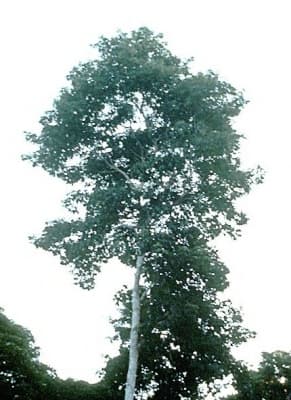
Paratecoma peroba
Paratecoma peroba
Safety & Hazards
A fine dust produced in machining causes skin irritations in some wood workers[ 316 Title Tropical Timbers of the World. Ag. Handbook No. 607. Publication Author Chudnoff. Martin. Publisher USDA Forest Service. Wisconsin. Year 1984 ISBN Description Terse details on the properties of the wood of almost 400 species of trees from the Tropics. ].
Botanical Description
Paratecoma peroba is an evergreen tree with a long, narrow crown; it can grow 20 - 40 or more metres tall. The straight, cylindrical bole can be unbranched for up to threequarters its height and 40 - 80cm in diameter, exceptionally to 150cm[ 419 Title Brazilian Trees. Volume 1. 4th Edition. Publication Author Lorenzi. H. Publisher Instituto Plantarum De Estudos Da Flora; Brazil. Year 2002 ISBN 85-86714-17-8 Description Information on 350 species of Brazilian trees. Stunning photographs of each species, brief details on the plant, its uses and how to grow it from seed. A superb work, with the minor irritation that the translation from Portuguese is not of the best. , 2095 Title Bignoniaceae: Part II (Tribe Tecomeae) Publication Flora Neotropica Monograph Vol. 25, No. 2 pp 1-370 Author Gentry A.H. Publisher The New York Botanical Garden, New York Year 1992 ISBN 0-89327-368-6 Description ]. The tree provides a very good quality wood and so is often harvested from the wild for local use and trade. A large but very ornamental tree, it is used in landscaping in parks etc[ 419 Title Brazilian Trees. Volume 1. 4th Edition. Publication Author Lorenzi. H. Publisher Instituto Plantarum De Estudos Da Flora; Brazil. Year 2002 ISBN 85-86714-17-8 Description Information on 350 species of Brazilian trees. Stunning photographs of each species, brief details on the plant, its uses and how to grow it from seed. A superb work, with the minor irritation that the translation from Portuguese is not of the best. ]. There is currently no report for this tree in the IUCN Red List of Threatened Species, but a report from 1992 says that the tree has been overexploited from the wild for its wood and is now almost extinct[ 2095 Title Bignoniaceae: Part II (Tribe Tecomeae) Publication Flora Neotropica Monograph Vol. 25, No. 2 pp 1-370 Author Gentry A.H. Publisher The New York Botanical Garden, New York Year 1992 ISBN 0-89327-368-6 Description ].