Berberidaceae FAMILY
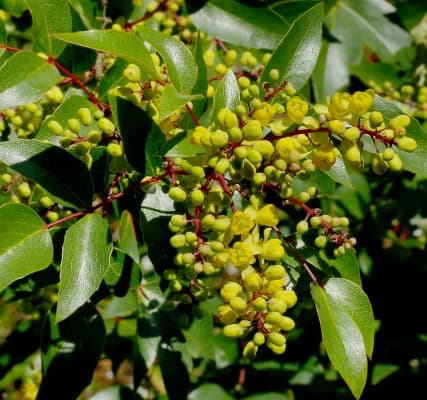
Mahonia gracilis
Mahonia gracilis
Edibility
2/5
Medicinal
0/5
Safety & Hazards
All parts of the plant contain the alkaloid berberine - this is most concentrated in the roots, stems and inner bark, and least concentrated in the fruits. In small quantities berberine has a range of effective medicinal applications but, in excess, can cause vomiting, lowered blood pressure, reduced heart rate, lethargy, and other ill-effects. The fruit of most, if not all, members of this genus are more or less edible and can be eaten in quantity since the levels of berberine in the fruit are very low.
Botanical Description
Mahonia gracilis is an evergreen shrub growing up to 150cm tall. The plant is harvested from the wild for local use as a food.
Habitat & Origin
Origintemperate; tropical
Native RangeSouth-western N. America - Mexico
HabitatDry ravines in open pine forests in limestone soils[ 260 Title Conservatory and Indoor Plants Volumes 1 & 2 Publication Author Phillips. R. & Rix. M. Publisher Pan Books, London. Year 1998 ISBN 0-330-37376-5 Description Excellent photos of over 1,100 species and cultivars with habits and cultivation details plus a few plant uses. Many species are too tender for outdoors in Britain though there are many that can be grown outside. ].