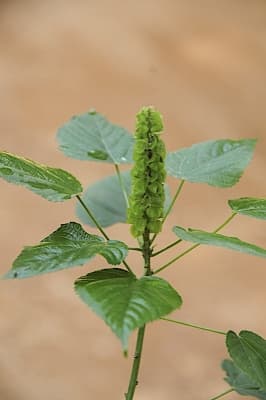
Acalypha ornata
Acalypha ornata
Safety & Hazards
None known
Botanical Description
Acalypha ornata varies in habit from a large, much-branched woody herb to a lax shrub, a prolific climbing plant or a small tree growing up to 5 metres tall[ 308 Title Flora Zambesiaca Publication Author Website http://apps.kew.org/efloras/fz/intro.html Publisher Year 0 ISBN Description An excellent online flora of plants from the Zambezi River basin. It lists a number of the plant uses as well as the habitats and botanical descriptions of the plants. ]. The plant is gathered from the wild for local use as a food, medicine and source of material for basketry. It is sometimes grown as an ornamental[ 398 Title Edible Wild Plants of Tanzania Publication Author Ruffo, C.K.: Birnie, A. & Tengnas, B. Publisher Regional Land Management Unit; Nairobi. Year 2002 ISBN 9966-896-60-0 Description A very well presented, simple guide to growing and utilizing wild food plants in Tanzania, with line drawings of each plant, a description, habitat and range, non-food as well as food uses, plus basic information on growing the plants. ]. Acalypha ornata has a very wide distribution, large population, is not currently experiencing any major threats and no significant future threats have been identified. The plant is classified as 'Least Concern' in the IUCN Red List of Threatened Species(2019)[ 338 Title IUCN Red List of Threatened Species Publication Author Website http://www.iucnredlist.org/ Publisher Year 0 ISBN Description A list of plants under threat and facing possible extinction, usually with brief details of the threats and information on habitat. ].