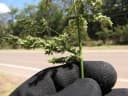
Panicum antidotale
Panicum antidotale
Safety & Hazards
None known
Cultivation Details
We have almost no information on this species and do not know if it will be hardy in Britain. The plant has strong spreading rhizomes[1]. It has been experimentally planted for forage in Missouri, Texas, Oklahoma and California[1]. The following notes are based on the general needs of the genus. Requires a moderately fertile well-drained soil in full sun[2].
Propagation
Seed - sow spring in a greenhouse and only just cover the seed. Germination should take place within a week. Prick out the seedlings into trays or individual pots and plant them out after the last expected frosts[2, PFAF]. Division of the clumps in spring. Cite as: Temperate Plants Database, Ken Fern. temperate.theferns.info. 2026-02-21. <temperate.theferns.info/plant/Panicum+antidotale>
Pollinators
Wind
References
- [1]Manual of the Grasses of the United States — Hitchcock. A. S. · Dover Publications. New York. · 1971 · ISBN 0-486-22717-0 ↩︎A nice and comprehensive flora, though a bit dated. Good line drawings of each plant, plus a brief idea of the habitat and a few notes on plant uses. Not for the casual reader.
- [2]The New RHS Dictionary of Gardening. 1992. — Huxley. A. · MacMillan Press · 1992 · ISBN 0-333-47494-5 ↩︎Excellent and very comprehensive, though it contains a number of silly mistakes. Readable yet also very detailed.
- [3]Flora of Pakistan — http://www.efloras.org ↩︎As of 2006, there is not much information on habitats available, but it is being developed and promises to be an excellent resource.
- [4]Forest Flora of Srinagar. — Singh. Dr. G. and Kachroo. Prof. Dr. P. · Bishen Singh Mahendra Pal Singh · 1976 · ISBN - ↩︎A good flora of the western Himalayas but poorly illustrated. Some information on plant uses.
- [PFAF]Plants for a Future — pfaf.org ↩︎