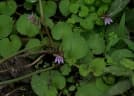
Campanulaceae FAMILY
Lobelia nummularia
Lobelia nummularia
Edibility
2/5
Medicinal
2/5
Safety & Hazards
Many, if not all, species in the genus Lobelia contain a range of piperidine alkaloids, particularly lobeline and lobelanine. If ingested, these can cause a range of symptoms including nausea, vomiting, diarrhoea, salivation, exhaustion and weakness, dilation of pupils, convulsions, and coma. Generally, the degree of toxicity is only moderate and plants are only harmful in larger quantities - indeed several species have medicinal uses and a few are even eaten as wild foods[1]
Cultivation Details
HabitAnnual/Perennial
Growth—
Not known
Propagation
Seed - Cite as: Tropical Plants Database, Ken Fern. tropical.theferns.info. 2026-02-20. <tropical.theferns.info/viewtropical.php?id=Lobelia+nummularia>
Pollinators
Insects
References
- [1]Poisonous Plants of North Carolina — http://www.ces.ncsu.edu/depts/hort/consumer/poison/poison.htm ↩︎An excellent concise but comprehensive guide to toxic plants that grow in N. Carolina. It lists even those plants that are of very low toxicity, including several well-known food plants such as carrots and potatoes.
- [2]Plant Resources of Southeast Asia — http://proseanet.org/ ↩︎Lots of information on the uses of the plants of SE Asia.
- [3]Flora Malesiana Series 1 — Various · Nationaal Herbarium Nederiand, Universiteit Leiden branch · http://www.archive.org ↩︎A massive treatment of the plants of the Malaysian Archipelago. Much of it has been made available to download from the Internet
- [4]Plants and People of Nepal — Manandhar. N. P. · Timber Press. Oregon. · 2002 · ISBN 0-88192-527-6 ↩︎Excellent book, covering over 1,500 species of useful plants from Nepal together with information on the geography and peoples of Nepal. Good descriptions of the plants with terse notes on their uses.