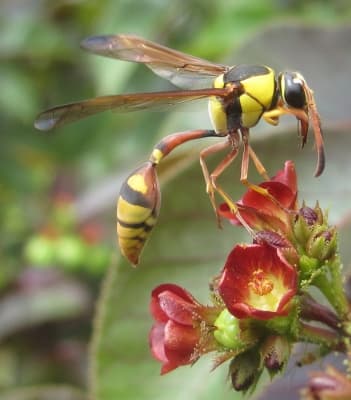
Jatropha gossypiifolia
Jatropha gossypiifolia
Safety & Hazards
The root contains jatrophine, a toxic alkaloid[1]. The viscid sap is said to be poisonous[1]. The fruits of the plant are poisonous to humans and animals. The toxic substance is a toxalbumin which, when eaten, leads to symptoms of gastro-enteritis and eventual death of some animals[2].
Cultivation Details
A plant of the lowland tropics, often found in coastal areas. It is found in areas of Africa where the mean annual rainfall is between 400 - 1,200mm and there is a distinct dry season[3]. Succeeds in full sun and light shade[4]. Grows well in well-drained sand, sandy loams and stony soils[3]. Often grown as an ornamental, the plant has seeds that are ejected away from the parent plant and can also be transported by water or in mud on vehicles. It has escaped from cultivation in many areas of the tropics and become naturalized. It has become a weed of areas such as degraded pastures, disturbed river frontages and old settlements, often forming dense thickets[5]. In northern Australia it has become a noxious weed, especially of rangeland in seasonally inundated flood plains, where competition with other plant species is limited299]. Flowering can commence in plants as young as 4 - 6 weeks old, but generally starts 2 years after sowing[3]. Plants can flower all year round if there is sufficient moisture in the soil[3].
Propagation
Seed - Rhizome cuttings. Stem cuttings. Cite as: Tropical Plants Database, Ken Fern. tropical.theferns.info. 2026-02-20. <tropical.theferns.info/viewtropical.php?id=Jatropha+gossypiifolia>
Pollinators
Bees, Insects
References
- [1]The Useful Plants of West Tropical Africa. — Burkil. H. M. · Royal Botanic Gardens; Kew. · 1985 - 2004 ↩︎Brief descriptions and details of the uses of over 4,000 plants. A superb, if terse, resource, it is also available electronically on the Web - see http://www.aluka.org/
- [2]Flowers of India — http://www.flowersofindia.net/ ↩︎A wed site of native Indian plants, plus cultivated and naturalized species. It has good quality photos and terse details on more than 3,000 species and cultivars.
- [3]Protabase - Plant Resources of Tropical Africa. — http://www.prota.org ↩︎An excellent on-line database with detailed information on over 3,200 species of useful plants of Africa.
- [4]Desert Tropicals — http://www.desert-tropicals.com/ ↩︎The main focus of the site is succulent plants, but it also contains information on a wide range of other species. Usually at least one good photograph, plus basic information about the plant and its cultivation.
- [5]Pacific Island Ecosystems at Risk — http://www.hear.org/pier/scientificnames/index.html ↩︎A very good website detailing weed species that have been introduced into the Pacific Islands.
- [6]Traditional Vegetables in Benin — Achigan-Dako E. Et al · Darwin Initiative; International Foundation for Science · 2009 ↩︎Issued as a PDF on the Internet, it contains basic information on over 250 species of plants used for food in Benin.
- [7]Plant Resources of Southeast Asia — http://proseanet.org/ ↩︎Lots of information on the uses of the plants of SE Asia.
- [8]Medicinal Plants of the Guianas — DeFilipps, R. A.; Maina, S. L.; & Crepin, J. · Smithsonian Museum · http://botany.si.edu/bdg/medicinal/index.html ↩︎A down-loadable PDF document of a book in pre-publication awaiting illustration. An excellent, if rather terse, guide to the traditional medicinal uses of the plants of the region
- [9]Oil Yielding Plants — Botanical Survey of India. · 2004 · http://mnes.nic.in/list/oil-plants.pdf ↩︎A PDF downloaded from the Internet. Very terse details about the applications of oil obtained from over 300 species of plants.
- [PFAF]Plants for a Future — pfaf.org ↩︎