Ibicella lutea
Ibicella lutea
Safety & Hazards
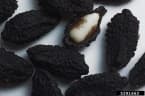
The seeds have sharp, curved horns, which can attach themselves to animals feet and therefore be transported to another site[1]. This can cause serious damage to the feet of some animals.
Cultivation Details
A plant of subtropical to tropical drier areas, where it is found at elevations from near sea level to over 1,000 metres. Requires a sunny position in a well-drained soil. The plant has escaped from cultivation in some areas, particularly in drier regions, and become a troublesome weed[1]. It takes around 20 weeks from seed sowing to the first flowers opening[1].
Propagation
Seed - pre-soak for 24 hours in warm water then sow in situ in a warm, sunny position. Cite as: Tropical Plants Database, Ken Fern. tropical.theferns.info. 2026-02-20. <tropical.theferns.info/viewtropical.php?id=Ibicella+lutea>
Pollinators
Data unavailable
References
- [1]The New RHS Dictionary of Gardening. 1992. — Huxley. A. · MacMillan Press · 1992 · ISBN 0-333-47494-5 ↩︎Excellent and very comprehensive, though it contains a number of silly mistakes. Readable yet also very detailed.
- [2]Mansfeld's Database of Agricultural and Horticultural Plants — http://mansfeld.ipk-gatersleben.de/pls/htmldb_pgrc/f?p=185:3:4292127278597336 ↩︎Terse details of a huge range of useful plants.
- [3]Cornucopia II — Facciola. S. · Kampong Publications, California. · 1998 · ISBN 0-9628087-2-5 ↩︎The second edition of an excellent guide to the edible uses of plants, though it does not give any details of cultivation etc.
- [4]Dictionary of Economic Plants. — Uphof. J. C. Th. · Weinheim · 1959 · ISBN - ↩︎An excellent and very comprehensive guide but it only gives very short descriptions of the uses without any details of how to utilize the plants. Not for the casual reader.