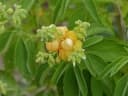
Lamiaceae FAMILY
Hoslundia opposita
Hoslundia opposita
Edibility
2/5
Medicinal
2/5
Safety & Hazards
None known
Cultivation Details
HabitPerennial
Growth—
Succeeds in tropical and subtropical climates[1]. In Tanzania it grows in areas where the mean annual rainfall is in the range 1,100 - 1,800mm[2]. Requires a well-drained soil, growing well in full sun[1]. Thrives in a variety of soils[2]. Plants respond well to being cut back, even to the ground, to promote new growth[1]. The plant often regenerates and flowers after fire[3]. The leaves are reported to have a strong unpleasant scent, which is alleged to repel bees and is thus utilized in the collection of honey[1].
Propagation
Seed - Stem cuttings. Cite as: Tropical Plants Database, Ken Fern. tropical.theferns.info. 2026-02-20. <tropical.theferns.info/viewtropical.php?id=Hoslundia+opposita>
Pollinators
Bees, butterflies
References
- [1]PlantZAfrica.com — http://www.plantzafrica.com ↩︎An excellent site giving detailed descriptions and uses of many S. African plants.
- [2]Edible Wild Plants of Tanzania — Ruffo, C.K.: Birnie, A. & Tengnas, B. · Regional Land Management Unit; Nairobi. · 2002 · ISBN 9966-896-60-0 ↩︎A very well presented, simple guide to growing and utilizing wild food plants in Tanzania, with line drawings of each plant, a description, habitat and range, non-food as well as food uses, plus basic information on growing the plants.
- [3]Flora of Zimbabwe — http://www.zimbabweflora.co.zw/ ↩︎Over 2,000 species as of 2009 (and growing). Each record usually has at least one photo with a botanical description of the plant, range, habitat etc. A very useful site.
- [4]The Useful Plants of West Tropical Africa. — Burkil. H. M. · Royal Botanic Gardens; Kew. · 1985 - 2004 ↩︎Brief descriptions and details of the uses of over 4,000 plants. A superb, if terse, resource, it is also available electronically on the Web - see http://www.aluka.org/
- [5]Cornucopia II — Facciola. S. · Kampong Publications, California. · 1998 · ISBN 0-9628087-2-5 ↩︎The second edition of an excellent guide to the edible uses of plants, though it does not give any details of cultivation etc.
- [6]Mansfeld's Database of Agricultural and Horticultural Plants — http://mansfeld.ipk-gatersleben.de/pls/htmldb_pgrc/f?p=185:3:4292127278597336 ↩︎Terse details of a huge range of useful plants.
- [7]Traditional Vegetables in Benin — Achigan-Dako E. Et al · Darwin Initiative; International Foundation for Science · 2009 ↩︎Issued as a PDF on the Internet, it contains basic information on over 250 species of plants used for food in Benin.
- [8]Dictionary of Economic Plants. — Uphof. J. C. Th. · Weinheim · 1959 · ISBN - ↩︎An excellent and very comprehensive guide but it only gives very short descriptions of the uses without any details of how to utilize the plants. Not for the casual reader.