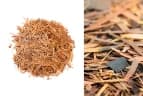
Handroanthus impetiginosus
Handroanthus impetiginosus
Safety & Hazards
Excessive use of the herb can lead to nausea, vomiting, dizziness and diarrhoea[1].
Cultivation Details
A species of higher elevations in the tropics, it is well-suited to subtropical areas[2]. Prefers a well-drained fertile soil and a position in full sun[1]. Young plants establish well, achieving heights of around 3.5 metres within 2 years[3].
Propagation
Seed - best sown as soon as ripe in a nursery seedbed or individual containers[4, 3]. The germination rate is usually high, occurring in 10 - 12 days. Seedlings grow away quickly and are usually ready to plant out in less than 4 months[3]. Air layering. Cuttings of half ripe wood. Cite as: Tropical Plants Database, Ken Fern. tropical.theferns.info. 2026-02-20. <tropical.theferns.info/viewtropical.php?id=Handroanthus+impetiginosus>
Pollinators
Data unavailable
References
- [1]Encyclopaedia of Herbs and their Uses. — Bown. D. · Dorling Kindersley, London. · 1995 · ISBN 0-7513-020-31 ↩︎A very well presented and informative book on herbs from around the globe. Plenty in it for both the casual reader and the serious student. Just one main quibble is the silly way of having two separate entries for each plant.
- [2]Tropical and Subtropical Trees - A Worldwide Encyclopaedic Guide. — Barwick. M. · Thames & Hudson, London · 2004 · ISBN 0-500-51181-0 ↩︎A superb book, very concise and well written, giving a wealth of information on 400 or more species including descriptions, habitat, cultivation details and plant uses. A wealth of colour photographs bring each plant vividly to life.
- [3]Brazilian Trees. Volume 1. 4th Edition. — Lorenzi. H. · Instituto Plantarum De Estudos Da Flora; Brazil. · 2002 · ISBN 85-86714-17-8 ↩︎Information on 350 species of Brazilian trees. Stunning photographs of each species, brief details on the plant, its uses and how to grow it from seed. A superb work, with the minor irritation that the translation from Portuguese is not of the best.
- [4]The New RHS Dictionary of Gardening. 1992. — Huxley. A. · MacMillan Press · 1992 · ISBN 0-333-47494-5 ↩︎Excellent and very comprehensive, though it contains a number of silly mistakes. Readable yet also very detailed.
- [5]Bignoniaceae: Part II (Tribe Tecomeae) — Gentry A.H. · The New York Botanical Garden, New York · 1992 · ISBN 0-89327-368-6 ↩︎
- [6]Tropical Ornamentals; A Guide — Whistler. W. Arthur. · Timber Press Inc. Oregon. · 2000 · ISBN 0-88192-448-2 ↩︎An excellent little guide to some of the more commonly cultivated ornamental plants of the Tropics, often giving some information on the plants other uses.
- [7]IUCN Red List of Threatened Species — http://www.iucnredlist.org/ ↩︎A list of plants under threat and facing possible extinction, usually with brief details of the threats and information on habitat.
- [8]Cornucopia II — Facciola. S. · Kampong Publications, California. · 1998 · ISBN 0-9628087-2-5 ↩︎The second edition of an excellent guide to the edible uses of plants, though it does not give any details of cultivation etc.
- [9]The Encyclopedia of Medicinal Plants — Chevallier. A. · Dorling Kindersley. London · 1996 · ISBN 9-780751-303148 ↩︎An excellent guide to over 500 of the more well known medicinal herbs from around the world.
- [10]CosIng — http://ec.europa.eu/growth/tools-databases/cosing/ ↩︎CosIng is the European Commission database for information on cosmetic substances and ingredients.
- [11]Technical Information on 134 Species of Bolivian Woods — USDA Forest Service -- Forest Products Lab · USDA Forest Service · http://www2.fpl.fs.fed.us/publications/ ↩︎A PDF file, available for download. Exactly what the title says, brief and to the point.
- [12]Handbook of S. American Indians. — Steward J. H. (Editor) · US Government Printing Office; Washington · 1946 - 1950 · http://www.biodiversitylibrary.org ↩︎In six volumes, a detailed look at the native peoples of S. America - their culture, lifestyle, use of plants etc,
- [13]Tropix 7 — CIRAD · http://tropix.cirad.fr/en ↩︎An on-line guide to the timbers of 245 species of trees.