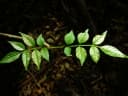
Fraxinus uhdei
Fraxinus uhdei
Safety & Hazards
None known
Cultivation Details
A plant of the subtropics to the tropics. It is found in areas where the mean annual rainfall can vary from 800 - 3,000mm, with a distinctive dry season of several months. The mean temperature varies from 15 - 20°c in the cool season to 20 - 25°c in the hot season. Frosts are infrequent and light[1]. This species can tolerate occasional, short-lived temperatures down to around -8°c[2]. Plants are shade tolerant, at least when young, requiring more sun as they grow older[3, 4]. Prefers moist soil, growing best on alluvial and colluvial soils and poorly on eroded slopes and dry ridges[1]. The plant usually has a good rate of growth, averaging height increases of around 1 metre per year when young, gradually decreasing as the tree gets older. Bole diameter increase remains fairly constant at around 1cm a year. In a favourable site in Hawaii 36 year old trees were around 30 metres tall with a bole of 61cm diameter[1]. Root growth is shallow and vigorous; it can be destructive to pavements[4, 1]. Young trees generally coppice well[1].
Propagation
Seed - Cite as: Temperate Plants Database, Ken Fern. temperate.theferns.info. 2026-02-21. <temperate.theferns.info/plant/Fraxinus+uhdei>
Pollinators
Data unavailable
References
- [1]Fraxinus uhdei (Wenzig) Lingelsh. Fresno, tropical ash. Oleaceae. Olive family. — Francis J.K. · USDA Forest Service; New Orleans. · 1990 · http://www.treesearch.fs.fed.us/pubs/30403 ↩︎A very detailed article on Fraxinus uhdei. It can be downloaded from the internet.
- [2]The New RHS Dictionary of Gardening. 1992. — Huxley. A. · MacMillan Press · 1992 · ISBN 0-333-47494-5 ↩︎Excellent and very comprehensive, though it contains a number of silly mistakes. Readable yet also very detailed.
- [3]Pacific Island Ecosystems at Risk — http://www.hear.org/pier/scientificnames/index.html ↩︎A very good website detailing weed species that have been introduced into the Pacific Islands.
- [4]Desert Tropicals — http://www.desert-tropicals.com/ ↩︎The main focus of the site is succulent plants, but it also contains information on a wide range of other species. Usually at least one good photograph, plus basic information about the plant and its cultivation.
- [5]Flora of Guatemala — Standley P.C. & J. A. Steyermark · 1946 - 1976 · http://www.archive.org/ ↩︎A superb reference, though somewhat dated. Gives lots of plant uses as well as information on plant habit and habitat. The entire flora (13 volumes) can now be downloaded from http://www.archive.org/
- [6]Biblioteca Digital de la Medicina Tradicional Mexicana — http://www.medicinatradicionalmexicana.unam.mx/index.php ↩︎A very valuable on-line resource with detailed information on many hundreds of medicinal plants used in Mexico
- [7]IUCN Red List of Threatened Species — http://www.iucnredlist.org/ ↩︎A list of plants under threat and facing possible extinction, usually with brief details of the threats and information on habitat.