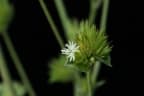
Asteraceae FAMILY
Elephantopus mollis
Elephantopus mollis
Edibility
0/5
Medicinal
2/5
Safety & Hazards
None known
Cultivation Details
HabitPerennial
Growth—
Requires a position in full sun, thriving in a range of moisture conditions[1]. Occurs as a major weed in pastures, an intermediate weed on roadsides and wasteland, and a minor weed in other disturbed places. It produces a thick ground cover that smothers other vegetation[1]. The seeds are dispersed by wind and also by adhering to clothing and animal fur, feathers etc[1].
Propagation
Seed - Cite as: Tropical Plants Database, Ken Fern. tropical.theferns.info. 2026-02-20. <tropical.theferns.info/viewtropical.php?id=Elephantopus+mollis>
Pollinators
Data unavailable
References
- [1]Pacific Island Ecosystems at Risk — http://www.hear.org/pier/scientificnames/index.html ↩︎A very good website detailing weed species that have been introduced into the Pacific Islands.
- [2]Plant Resources of Southeast Asia — http://proseanet.org/ ↩︎Lots of information on the uses of the plants of SE Asia.
- [3]Annals of the Missouri Botanical Garden Vol. 62 — Missouri Botanical Garden · 1975 ↩︎An excellent botanical publication, available for download from the Internet. This volume contains the Asclepiadaceae section of the Flora of Panama.
- [4]Medicinal Plants of the Guianas — DeFilipps, R. A.; Maina, S. L.; & Crepin, J. · Smithsonian Museum · http://botany.si.edu/bdg/medicinal/index.html ↩︎A down-loadable PDF document of a book in pre-publication awaiting illustration. An excellent, if rather terse, guide to the traditional medicinal uses of the plants of the region
- [5]Philippine Medicinal Plants — http://www.stuartxchange.org/CompleteList.html ↩︎A lovely site, giving brief details on the medicinal uses of several hundred (over 400 at the last count) plants in the Philippines, plus a picture of each plant.