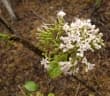
Cultivation Details
HabitDeciduous Tree
GrowthFast
A fast-growing plant[1]. Trees can be coppiced or pollarded[1]. A variable species with two varieties, var. cymosa and var. zenkeri (Gur?ke) Brenan, recognized in the Region, the former extending to Uganda, the latter to E Cameroon and S. Tome. Other varieties occur in tropical Africa outside the Region[2].
Propagation
Seed - usually sown in situ within its native range. When sown fresh, the seed can start germinating within 3 days, with some seed taking up to 35 days. The seed can be stored for some time[1]. Cite as: Tropical Plants Database, Ken Fern. tropical.theferns.info. 2026-02-20. <tropical.theferns.info/viewtropical.php?id=Ehretia+cymosa>
Pollinators
Bees
References
- [1]Protabase - Plant Resources of Tropical Africa. — http://www.prota.org ↩︎An excellent on-line database with detailed information on over 3,200 species of useful plants of Africa.
- [2]The Useful Plants of West Tropical Africa. — Burkil. H. M. · Royal Botanic Gardens; Kew. · 1985 - 2004 ↩︎Brief descriptions and details of the uses of over 4,000 plants. A superb, if terse, resource, it is also available electronically on the Web - see http://www.aluka.org/
- [3]Traditional Vegetables in Benin — Achigan-Dako E. Et al · Darwin Initiative; International Foundation for Science · 2009 ↩︎Issued as a PDF on the Internet, it contains basic information on over 250 species of plants used for food in Benin.
- [4]Useful Trees and Shrubs in Eritrea — Bein. E.; Habte. B.; Jaber. A.; Birnie. A. & Tengnas. B. · Regional Soil Conservation Unit: Nairobi · 1996 · ISBN 9966-896-24-4 ↩︎A very well written and concise guide to almost 200 species. It gives a brief description of each plant together with its habitat, uses, propagation and cultivation. Line drawings of each plant are also included It can be downloaded from the internet