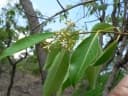
Apocynaceae FAMILY
Diplorhynchus condylocarpon
Diplorhynchus condylocarpon
Edibility
0/5
Medicinal
2/5
Safety & Hazards
None known
Cultivation Details
HabitShrub
Growth—
Usually found in deep, sandy soils in the wild[1]. Coppicing and pollarding are appropriate management techniques - the cut trunks sprout readily from the base[2].
Propagation
Seed - Cuttings. Cite as: Tropical Plants Database, Ken Fern. tropical.theferns.info. 2026-02-20. <tropical.theferns.info/viewtropical.php?id=Diplorhynchus+condylocarpon>
Pollinators
Data unavailable
References
- [1]Gemsbok Bean and Kalahari Truffle — Leffers A. · Gamsberg MacMillan; Namibia. · 2003 · ISBN 99916-0-491-X ↩︎Details of the traditional uses of over 200 species of plants in northeastern Namibia. Written for the non-expert, there is usually at least one photograph with each plant entry.
- [2]Protabase - Plant Resources of Tropical Africa. — http://www.prota.org ↩︎An excellent on-line database with detailed information on over 3,200 species of useful plants of Africa.
- [3]The Useful Plants of West Tropical Africa. — Burkil. H. M. · Royal Botanic Gardens; Kew. · 1985 - 2004 ↩︎Brief descriptions and details of the uses of over 4,000 plants. A superb, if terse, resource, it is also available electronically on the Web - see http://www.aluka.org/