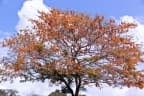
Fabaceae FAMILY Least Concern
Cassia moschata
Cassia moschata
Edibility
0/5
Medicinal
2/5
Safety & Hazards
None known
Cultivation Details
HabitTree
Growth—
Prefers a deep, well-drained, moderately fertile sandy loam with a position in full sun[1]. The pulp of the fruit has a musk-like odour[2].
Propagation
Seed - Cuttings of half-ripe wood[1]. Cite as: Tropical Plants Database, Ken Fern. tropical.theferns.info. 2026-02-20. <tropical.theferns.info/viewtropical.php?id=Cassia+moschata>
Pollinators
Insects
References
- [1]The New RHS Dictionary of Gardening. 1992. — Huxley. A. · MacMillan Press · 1992 · ISBN 0-333-47494-5 ↩︎Excellent and very comprehensive, though it contains a number of silly mistakes. Readable yet also very detailed.
- [2]Flora of Costa Rica — Standley P.C. · Field Museum of Natural History; Chicago · 1938 · http://www.archive.org/ ↩︎Rather dated, but an excellent treatment of the area. Available for download from the internet.
- [3]Tropical and Subtropical Trees - A Worldwide Encyclopaedic Guide. — Barwick. M. · Thames & Hudson, London · 2004 · ISBN 0-500-51181-0 ↩︎A superb book, very concise and well written, giving a wealth of information on 400 or more species including descriptions, habitat, cultivation details and plant uses. A wealth of colour photographs bring each plant vividly to life.
- [4]IUCN Red List of Threatened Species — http://www.iucnredlist.org/ ↩︎A list of plants under threat and facing possible extinction, usually with brief details of the threats and information on habitat.
- [5]Dictionary of Economic Plants. — Uphof. J. C. Th. · Weinheim · 1959 · ISBN - ↩︎An excellent and very comprehensive guide but it only gives very short descriptions of the uses without any details of how to utilize the plants. Not for the casual reader.