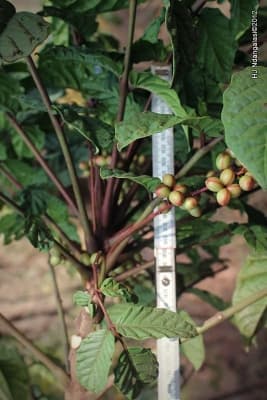
Cultivation Details
HabitTree
Growth—
The plant grows at moderate elevations, usually to 2,500 metres but exceptionally to 3,700 metres in the moister tropics of Africa[1]. Vegetative growth, flowering and fruiting continue throughout the year, even in the dry season[1]. Brucea antidysenterica has been recorded as a host plant of the Mediterranean fruit fly, a major pest of the fruit industry[1].
Propagation
Seed - best sown in situ. Readily propagated from seed, an alternative method of propagation is transplanting wildlings[1]. Seed can be stored at room temperature for over a year[1]. Cite as: Tropical Plants Database, Ken Fern. tropical.theferns.info. 2026-02-19. <tropical.theferns.info/viewtropical.php?id=Brucea+antidysenterica>
Pollinators
Data unavailable
References
- [1]Protabase - Plant Resources of Tropical Africa. — http://www.prota.org ↩︎An excellent on-line database with detailed information on over 3,200 species of useful plants of Africa.
- [2]Flora Zambesiaca — http://apps.kew.org/efloras/fz/intro.html ↩︎An excellent online flora of plants from the Zambezi River basin. It lists a number of the plant uses as well as the habitats and botanical descriptions of the plants.
- [PFAF]Plants for a Future — pfaf.org ↩︎