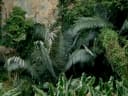
Cultivation Details
The tree does not flower until it is mature. A flowering shoot is produced from each node on the stem, commencing with the node at the top of the plant and working down to the base. Vegetative growth ceases when the first flowering shoot is produced, and the stem dies once flowers have been produced from the basal node[2, 1]. Solitary-stemmed species, such as this one, die after flowering[2].
Propagation
Seed - a deep root is formed before the seedling emerges above soil level, and so the seed should be sown in individual, deep containers. Pre-soak the seed for 24 hours in warm water before sowing. It can take 3 - 6 months or more before signs of growth are seen above soil level[1]. Cite as: Tropical Plants Database, Ken Fern. tropical.theferns.info. 2026-02-19. <tropical.theferns.info/viewtropical.php?id=Arenga+westerhoutii>
Pollinators
Data unavailable
References
- [1]Plant Resources of Southeast Asia — http://proseanet.org/ ↩︎Lots of information on the uses of the plants of SE Asia.
- [2]Palms of the World — Blombery. A. & Rodd. T. · Angus and Robertson · 1992 · ISBN 0-207-14848-1 ↩︎An excellent guide, well illustrated, with information on cultivation, uses, habitat etc of almost 200 species of Palms.
- [PFAF]Plants for a Future — pfaf.org ↩︎