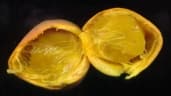
Ancylobothrys capensis
Ancylobothrys capensis
Safety & Hazards
Some authors say the fruit are both edible and poisonous, probably referring to the milky latex in the skin that is typically poisonous in most members of the Apocynaceae[1].
Cultivation Details
A plant of subtropical to tropical areas. Young plants can be killed by frost, but older plants are more tolerant. If the tops are killed in frosty weather, then the plant will often resprout from the base[1]. Prefers an acid soil[1]. Succeeds in poor, shallow soils[1]. The plant does have horticultural potential in large open gardens with rocky areas. If pruned back, especially in late summer, it can develop into an attractive bush-especially when in flower or when fruiting[1]. In natural rocky areas with little soil it drapes itself over rocks and the gardener who imitates this situation will have a better display[1].
Propagation
Seed - easily grown from fresh, clean seed collected when the fruit are ripening[1]. Make sure to clean the seeds and plant them directly into acidic leaf compost. They usually germinate quickly but can take as long as three months[1]. Young plants can be transplanted into well-drained soil in a semi-shaded situation. The branches like sun but the roots have to be kept cool-in nature they are sheltered form the heat of the sun below rocks. Unfortunately, these plants are extremely slow growers, so if you decide to plant this species you have to be very patient[1]. Cite as: Tropical Plants Database, Ken Fern. tropical.theferns.info. 2026-02-19. <tropical.theferns.info/viewtropical.php?id=Ancylobothrys+capensis>
Pollinators
Insects, bees
References
- [1]PlantZAfrica.com — http://www.plantzafrica.com ↩︎An excellent site giving detailed descriptions and uses of many S. African plants.
- [2]Flora Zambesiaca — http://apps.kew.org/efloras/fz/intro.html ↩︎An excellent online flora of plants from the Zambezi River basin. It lists a number of the plant uses as well as the habitats and botanical descriptions of the plants.