Viburnum — 40 species
Botanical species in the genus Viburnum recorded in the PlantPeers database.

Viburnum betulifolium
Viburnum betulifolium
Family: Adoxaceae
Cultivation
An easily grown plant, it succeeds in most soils but is ill-adapted for poor soils and for dry situations. It dislikes chalky soils. Prefers a deep rich loamy soil in sun or semi-shade.
Full cultivation guide →Viburnum cassinoides
Viburnum cassinoides
Family: Adoxaceae
Cultivation
An easily grown plant, it succeeds in most soils but is ill-adapted for poor soils and for dry situations. It dislikes chalk, growing best on lime-free soils. Prefers a deep rich loamy soil in sun or semi-shade.
Full cultivation guide →Viburnum corylifolium
Viburnum corylifolium
Family: Adoxaceae
Cultivation
An easily grown plant, it succeeds in most soils but is ill-adapted for poor soils and for dry situations. It dislikes chalky soils. Prefers a deep rich loamy soil in sun or semi-shade.
Full cultivation guide →Viburnum cotinifolium
Viburnum cotinifolium
Family: Adoxaceae
Cultivation
Viburnum cotinifolium is hardy to about -15°c. An easily grown plant, it succeeds in most soils but is ill-adapted for poor soils and for dry situations. It prefers a deep rich loamy soil in sun or semi-shade.
Full cultivation guide →Viburnum cylindricum
Viburnum cylindricum
Family: Adoxaceae
Cultivation
Viburnum cylindricum has a range extending from the warm temperate regions of China and India (where it can be found at elevations up to 3,300 metres) to the tropical regions of Malaysia and Indonesia (usually at elevations in excess of 1,000 metres). Selected provenances from the north of its range can tolerate considerable frost and are suitable for growing in the temperate zone, whilst provenances from the south are more suited to the tropics. An easily grown plant, succeeding in most soils but ill-adapted for poor soils and dry situations.
Full cultivation guide →Viburnum dentatum
Viburnum dentatum
Family: Adoxaceae
Cultivation
Viburnum dentatum is an exceedingly winter-hardy plant. An easily grown plant, it succeeds in most soils but is ill-adapted for poor soils and for dry situations. It prefers a deep rich loamy soil in sun or semi-shade.
Full cultivation guide →Viburnum dilatatum
Viburnum dilatatum
Family: Adoxaceae
Cultivation
An easily grown plant, it succeeds in most soils but is ill-adapted for poor soils and for dry situations. It prefers a deep rich loamy soil in sun or semi-shade. Best if given shade from the early morning sun in spring.
Full cultivation guide →Viburnum edule
Viburnum edule
Family: Adoxaceae
Cultivation
An easily grown plant, it succeeds in most soils but is ill-adapted for poor soils and for dry situations. It prefers a deep rich loamy soil in sun or semi-shade. Grows well in heavy clay soils.
Full cultivation guide →Viburnum erosum
Viburnum erosum
Family: Adoxaceae
Cultivation
Viburnum erosum is perhaps not perfectly hardy outside the milder regions of the temperate zone. Another report says that it succeeds in climatic zone 6, which means that it should be hardy to around -15°c. An easily grown plant, it succeeds in most soils but is ill-adapted for poor soils and for dry situations.
Full cultivation guide →Viburnum erubescens
Viburnum erubescens
Family: Adoxaceae
Cultivation
Viburnum erubescens can vary in hardiness depending on the provenance it was obtained from. Some forms can tolerate winter temperatures falling to below -10°c, though some other forms are intolerant of more than a few degrees of frost. An easily grown plant, it succeeds in most soils but is ill-adapted for poor soils and for dry situations.
Full cultivation guide →Viburnum farreri
Viburnum farreri
Family: Adoxaceae
Cultivation
Viburnum farreri is a very hardy plant, able to tolerate winter temperatures down to about -20°c. An easily grown plant, it succeeds in most soils but is ill-adapted for poor soils and for dry situations. It prefers a deep rich loamy soil in full sun or in semi-shade.
Full cultivation guide →Viburnum foetens
Viburnum foetens
Family: Adoxaceae
Cultivation
Viburnum foetens is a very hardy plant, able to tolerate winter temperatures down to about -20°c. A winter-flowering plant, the flowers are not as hardy as the plant, but can still tolerate temperatures down to around -12°c. An easily grown plant, it succeeds in most soils but is ill-adapted for poor soils and for dry situations.
Full cultivation guide →Viburnum fordiae
Viburnum fordiae
Family: Adoxaceae
Cultivation
An easily grown plant, succeeding in most soils but ill-adapted for poor soils and dry situations. Prefers a deep rich loamy soil in a shady position. Best if given shade from the early morning sun in spring.
Full cultivation guide →Viburnum furcatum
Viburnum furcatum
Family: Adoxaceae
Cultivation
Viburnum furcatum is a very hardy plant, tolerating temperatures down to about -25°c. An easily grown plant, it succeeds in most soils but is ill-adapted for poor soils and for dry situations. It requires a lime-free soil, preferring a deep rich loamy soil in a shady position.
Full cultivation guide →Viburnum glomeratum
Viburnum glomeratum
Family: Adoxaceae
Cultivation
An easily grown plant, it succeeds in most soils but is ill-adapted for poor soils and for dry situations. It prefers a deep rich loamy soil in sun or semi-shade. Best if given shade from the early morning sun in spring.
Full cultivation guide →Viburnum grandiflorum
Viburnum grandiflorum
Family: Adoxaceae
Cultivation
Viburnum grandiflorum is a very hardy plant, able to tolerate winter temperatures down to about -20°c. An easily grown plant, it succeeds in most soils but is ill-adapted for poor soils and for dry situations. It prefers a deep rich loamy soil in sun or semi-shade.
Full cultivation guide →Viburnum japonicum
Viburnum japonicum
Family: Adoxaceae
Cultivation
Viburnum japonicum is a plant of warm temperate to subtropical regions. It has been successfully cultivated at Kew Botanic Gardens in England (hardiness zone 7 - 8), though struggles somewhat and would do better in a warmer climate. In such a situation it is slow-growing, and would probably do best if given a warm position against a sunny wall.
Full cultivation guide →Viburnum lantana
Viburnum lantana
Family: Adoxaceae
Cultivation
An easily grown plant, it succeeds in most soils but is ill-adapted for poor soils and for dry situations. Unlike most members of the genus, this species succeeds on dry soils. It prefers a deep rich moist loamy soil in sun or semi-shade, growing well on chalk and on chalky clays.
Full cultivation guide →Viburnum lantanoides
Viburnum lantanoides
Family: Adoxaceae
Cultivation
Viburnum lantanoides is a very hardy plant, tolerating temperatures down to about -30°c. An easily grown plant, it succeeds in most soils but is ill-adapted for poor soils and for dry situations. It prefers a deep rich loamy soil in a shady position.
Full cultivation guide →Viburnum lentago
Viburnum lentago
Family: Adoxaceae
Cultivation
Viburnum lentago is a very hardy plant, tolerating temperatures down to about -30°c. An easily grown plant, it succeeds in most soils but is ill-adapted for poor soils and for dry situations. It prefers a deep rich loamy soil in sun or semi-shade.
Full cultivation guide →Viburnum lutescens
Viburnum lutescens
Family: Adoxaceae
Cultivation
Species in this genus are usually easily grown, succeeding in most soils but ill-adapted for poor soils and dry situations. They prefer a deep rich loamy soil in sun or semi-shade. Plants are self-incompatible and need to grow close to a genetically distinct plant in the same species in order to produce fruit and fertile seed.
Full cultivation guide →Viburnum mongolicum
Viburnum mongolicum
Family: Adoxaceae
Cultivation
An easily grown plant, it succeeds in most soils but is ill-adapted for poor soils and for dry situations. It prefers a deep rich loamy soil in sun or semi-shade. Best if given shade from the early morning sun in spring.
Full cultivation guide →Viburnum mullaha
Viburnum mullaha
Family: Adoxaceae
Cultivation
Viburnum mullaha is a native of moderate to high elevations in the Himalayas, where it can be found at elevations up to 3,000 metres. It is only given a hardiness zone rating of 9 (only tolerating light frosts) in, though plants from the higher elevations almost certainly experience snow and at least moderate frost in their native habitat. An easily grown plant, succeeding in most soils but ill-adapted for poor soils and dry situations.
Full cultivation guide →Viburnum nervosum
Viburnum nervosum
Family: Adoxaceae
Cultivation
Viburnum nervosum favours areas of higher rainfall in the Himalayan forests of Nepal, Uttar Pradesh and westwards to southwest China and Myanmar, where it can be found at elevations up to 4,500 metres. According to one report, this species is only hardy to zone 9 (able to tolerate light frosts only), which is a rather surprising statement when the plant can be found at elevations of up to 4,500 metres. An easily grown plant, it succeeds in most soils but is ill-adapted for poor soils and for dry situations.
Full cultivation guide →Viburnum nudum
Viburnum nudum
Family: Adoxaceae
Cultivation
Viburnum nudum is a very hardy plant, able to tolerate winter temperatures falling to -20°c. An easily grown plant, it succeeds in most soils but is ill-adapted for poor soils and for dry situations. It prefers a deep rich loamy soil in sun or semi-shade.
Full cultivation guide →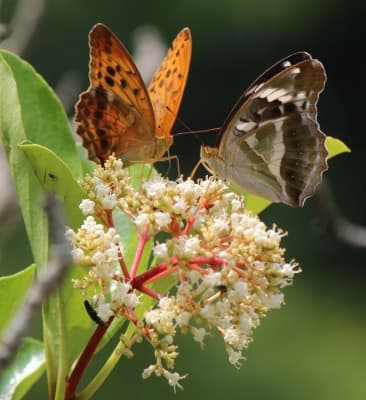
Viburnum odoratissimum
Viburnum odoratissimum
Family: Adoxaceae
Cultivation
A plant of the sub-tropical to tropical zones, it can also be grown in warmer areas of the temperate zone. An easily grown plant, it succeeds in most soils but is ill-adapted for poor soils and for dry situations. It prefers a deep rich loamy soil in sun or semi-shade.
Full cultivation guide →Viburnum opulus
Viburnum opulus
Family: Adoxaceae
Cultivation
Viburnum opulus is a very hardy plant, tolerating winter temperatures down to about -30°c An easily grown plant, it succeeds in most soils but is ill-adapted for poor soils and for dry situations. It prefers a deep rich moist loamy soil in a sunny position. Succeeds in semi-shade but does not grow or fruit so well in such a position.
Full cultivation guide →Viburnum opulus americanum
Viburnum opulus americanum
Family: Adoxaceae
Cultivation
An easily grown plant, it succeeds in most soils but is ill-adapted for poor soils and for dry situations. It grows well in heavy clay soils. Established plants are drought tolerant.
Full cultivation guide →Viburnum phlebotrichum
Viburnum phlebotrichum
Family: Adoxaceae
Cultivation
An easily grown plant, it succeeds in most soils but is ill-adapted for poor soils and for dry situations. It prefers a deep rich loamy soil in sun or semi-shade. Best if given shade from the early morning sun in spring.
Full cultivation guide →Viburnum plicatum
Viburnum plicatum
Family: Adoxaceae
Cultivation
Viburnum plicatum is a very hardy plant, tolerating temperatures down to about -25°c. An easily grown plant, it succeeds in most soils but is ill-adapted for poor soils and for dry situations. It prefers a deep rich loamy soil in sun or semi-shade.
Full cultivation guide →Viburnum prunifolium
Viburnum prunifolium
Family: Adoxaceae
Cultivation
Viburnum prunifolium is a very hardy plant, tolerating temperatures down to about -40°c. An easily grown plant, succeeding in most soils. Unlike other members of the genus, this species grows well on poor soils and in dry situations.
Full cultivation guide →Viburnum rufidulum
Viburnum rufidulum
Family: Adoxaceae
Cultivation
An easily grown plant, it succeeds in most soils but is ill-adapted for poor soils and for dry situations. It prefers a deep rich loamy soil in sun or semi-shade. Best if given shade from the early morning sun in spring.
Full cultivation guide →Viburnum sempervirens
Viburnum sempervirens
Family: Adoxaceae
Cultivation
Viburnum sempervirens is native to the warm temperate and subtropical region od southern China. It is not very frost-tolerant and requires mild winters if it is to thrive. An easily grown plant, it succeeds in most soils but is ill-adapted for poor soils and for dry situations.
Full cultivation guide →Viburnum setigerum
Viburnum setigerum
Family: Adoxaceae
Cultivation
Viburnum setigerum is hardy to about -20°c. An easily grown plant, it succeeds in most soils but is ill-adapted for poor soils and for dry situations. It prefers a deep rich loamy soil in sun or semi-shade.
Full cultivation guide →Viburnum sieboldii
Viburnum sieboldii
Family: Adoxaceae
Cultivation
Viburnum sieboldii is a very cold-tolerant plant growing best in a continental climate. It does not flower and fruit so well in areas with mild winters and cool summers, preferring hot summers to ripen its wood and initiate flowering. An easily grown plant, it succeeds in most soils but is ill-adapted for poor soils and for dry situations.
Full cultivation guide →Viburnum suspensum
Viburnum suspensum
Family: Adoxaceae
Cultivation
Viburnum suspensum is a plant of warm temperate to subtropical regions of southern Japan. It does not grow well in areas with cold winters, and does not flower well unless the previous summer has been sunny and hot. An easily grown plant, it succeeds in most soils but is ill-adapted for poor soils and for dry situations.
Full cultivation guide →Viburnum tinus
Viburnum tinus
Family: Adoxaceae
Cultivation
Viburnum tinus is a plant of mainly Mediterranean climates, though it can grow surprisingly well in other areas of the Temperate zone with mild winters. It can tolerate temperatures down to about -10°c. An easily grown plant, succeeding in both acid and alkaline soils but it is ill-adapted for poor soils and dry situations.
Full cultivation guide →Viburnum wrightii
Viburnum wrightii
Family: Adoxaceae
Cultivation
An easily grown plant, it succeeds in most soils but is ill-adapted for poor soils and for dry situations. It prefers a deep rich loamy soil in sun or semi-shade. Best if given shade from the early morning sun in spring.
Full cultivation guide →Viburnum x bodnantense
Viburnum x bodnantense
Family: Adoxaceae
Cultivation
Viburnum x bodnantense is a very hardy plant of cultivation and is able to withstand winter temperatures falling as low as -20°c. The deliciously scented flowers are produced in winter but can withstand temperatures down to between -12 and -20°c without damage if the plant is in a sheltered position with no early morning sun. An easily grown plant, it succeeds in most soils but is ill-adapted for poor soils and for dry situations.
Full cultivation guide →Viburnum x juddii
Viburnum x juddii
Family: Adoxaceae
Cultivation
An easily grown plant, it succeeds in most soils but is ill-adapted for poor soils and for dry situations. It prefers a deep rich loamy soil in sun or semi-shade. Best if given shade from the early morning sun in spring.
Full cultivation guide →