Spondias — 8 species
Botanical species in the genus Spondias recorded in the PlantPeers database.
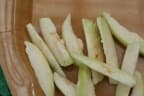
Spondias dulcis
Spondias dulcis
Family: Anacardiaceae
Cultivation
The plant grows best in the subhumid and frost-free tropics, where it is found from sea level up to 700 metres. It grows best in areas where annual daytime temperatures are within the range 22 - 27°c, but can tolerate 12 - 35°c. When dormant, the plant can survive temperatures down to about -3°c, but young growth can be severely damaged at 0°c.
Full cultivation guide →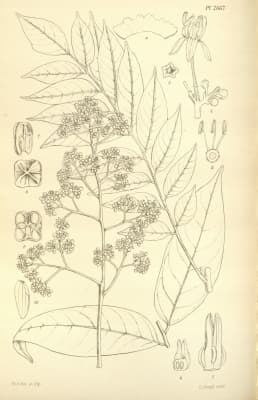
Spondias lakonensis
Spondias lakonensis
Family: Anacardiaceae
Cultivation
Found in the wild on deep and well-drained old basalt or old alluvial soils.
Full cultivation guide →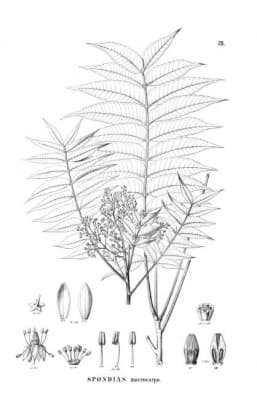
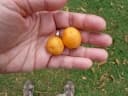
Spondias mombin
Spondias mombin
Family: Anacardiaceae
Cultivation
The plant grows best in the subhumid and frost-free tropics, where it can be found at elevations up to 1,000 metres. It grows best in areas where annual daytime temperatures are within the range 21 - 27°c, but can tolerate 13 - 35°c. The plant is severely damaged by frost.
Full cultivation guide →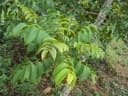
Spondias pinnata
Spondias pinnata
Family: Anacardiaceae
Cultivation
A tree of hot, tropical lowlands. Succeeds in full sun and in partial shade. Prefers a well-drained soil.
Full cultivation guide →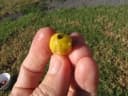
Spondias purpurea
Spondias purpurea
Family: Anacardiaceae
Cultivation
The plant grows best in the subhumid and frost-free tropics at an elevation up to 2,000 metres. It grows best in areas where annual daytime temperatures are within the range 22 - 28°c, but can tolerate 13 - 35°c. The plant is not frost tolerant.
Full cultivation guide →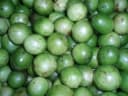
Spondias tuberosa
Spondias tuberosa
Family: Anacardiaceae
Cultivation
A plant of the 'Caatinga' dry forest region of northeast Brazil. The climate is hot and dry, there are usually 6 to 11 months without rain each year. The mean annual rainfall varies from 250 - 1,000mm, and the mean annual temperature is from 24 - 26°c.
Full cultivation guide →
Spondias venulosa
Spondias venulosa
Family: Anacardiaceae
Cultivation
Succeeds in full sun and in dappled shade. The inflorescences contain hermaphrodite flowers as well as separate male and female flowers.
Full cultivation guide →