Ravenea — 8 species
Botanical species in the genus Ravenea recorded in the PlantPeers database.

Ravenea albicans
Ravenea albicans
Family: Arecaceae
Cultivation
Warm, sheltered, and moist. Likes a very light, open mix and heavy shade. Very slow growing.
Full cultivation guide →
Ravenea dransfieldii
Ravenea dransfieldii
Family: Arecaceae
Cultivation
Shady, sheltered, and moist. A dioecious species, both male and female forms need to be grown if fruit and seed are required.
Full cultivation guide →
Ravenea julietiae
Ravenea julietiae
Family: Arecaceae
Cultivation
Deep shade, and moisture seems to be helping, but the plant is very slow. A dioecious species, both male and female forms need to be grown if fruit and seed are required.
Full cultivation guide →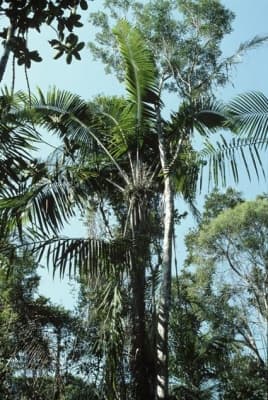
Ravenea lakatra
Ravenea lakatra
Family: Arecaceae
Cultivation
The leaves of this species are exploited by local people for weaving hats and individual palms may be pruned into juvenility by constant harvest of the emerging leaves. A dioecious species, both male and female forms need to be grown if fruit and seed are required.
Full cultivation guide →
Ravenea madagascariensis
Ravenea madagascariensis
Family: Arecaceae
Cultivation
A dioecious species, both male and female forms need to be grown if fruit and seed are required.
Full cultivation guide →
Ravenea musicalis
Ravenea musicalis
Family: Arecaceae
Cultivation
The plant grows in water that can be up to 2.5 metres deep. Seedlings start their lives as submerged aquatics with flaccid foliage; once the stem has emerged, leaves become rigid. A dioecious species, both male and female forms need to be grown if fruit and seed are required.
Full cultivation guide →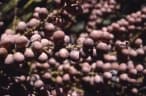
Ravenea robustior
Ravenea robustior
Family: Arecaceae
Cultivation
A dioecious species, both male and female forms need to be grown if fruit and seed are required.
Full cultivation guide →
Ravenea sambiranensis
Ravenea sambiranensis
Family: Arecaceae
Cultivation
A dioecious species, both male and female forms need to be grown if fruit and seed are required.
Full cultivation guide →