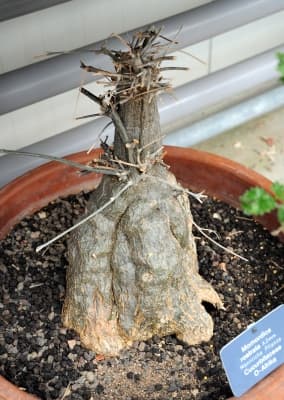
Momordica — 8 species
Botanical species in the genus Momordica recorded in the PlantPeers database.

Momordica angustisepala
Momordica angustisepala
Family: Cucurbitaceae
Cultivation
A dioecious species, both male and female forms need to be grown if fruit and seed are required.
Full cultivation guide →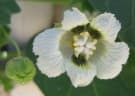
Momordica balsamina
Momordica balsamina
Family: Cucurbitaceae
Cultivation
A plant of the tropics that can be grown in subtropical and warm temperate areas. It is found at elevations from sea level to 1,465 metres, in dry to wet areas with a rainfall of 200 - 1,200 mm annually. The plant seems to be at least somewhat frost hardy.
Full cultivation guide →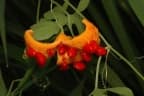
Momordica charantia
Momordica charantia
Family: Cucurbitaceae
Cultivation
The plant is best adapted to hot humid areas of the tropics and subtropics, though it can be grown in a wide range of climates right into the temperate zone so long as there is a sufficient growing season. It can be grown at elevations up to 1,000 metres in the tropics. It grows best in areas where annual daytime temperatures are within the range 22 - 30°c, but can tolerate 15 - 38°c.
Full cultivation guide →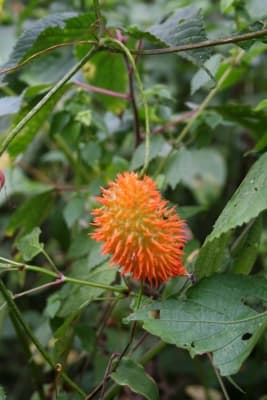
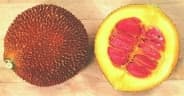
Momordica cochinchinensis
Momordica cochinchinensis
Family: Cucurbitaceae
Cultivation
Momordica cochinchinensis is a plant of the moist tropics, where it is found at elevations up to 1,100 metres. It grows best in areas where annual daytime temperatures are within the range 20 - 30°c, but can tolerate 14 - 35°c. It is not tolerant of frosts.
Full cultivation guide →
Momordica dioica
Momordica dioica
Family: Cucurbitaceae
Cultivation
Requires a soil rich in organic matter if optimum yields are to be achieved. A dioecious plant, male and female forms need to be grown if fruit and seed are required.
Full cultivation guide →
Momordica foetida
Momordica foetida
Family: Cucurbitaceae
Cultivation
A plant of the tropics, found at elevations from near sea level to the mountains. In Tanzania it grows in areas where the mean annual rainfall is in the range 1,100 - 2,100mm. Tolerates a wide range of soils.
Full cultivation guide →