Mirabilis — 4 species
Botanical species in the genus Mirabilis recorded in the PlantPeers database.

Mirabilis expansa
Mirabilis expansa
Family: Nyctaginaceae
Cultivation
Mirabilis expansa is a plant of higher elevations in the drier tropics where it is usually found at elevations from 2,300 - 3,500 metres. It grows best in areas where annual daytime temperatures are within the range 12 - 20°c, but can tolerate 5 - 25°c. The plant might be intolerant of frost.
Full cultivation guide →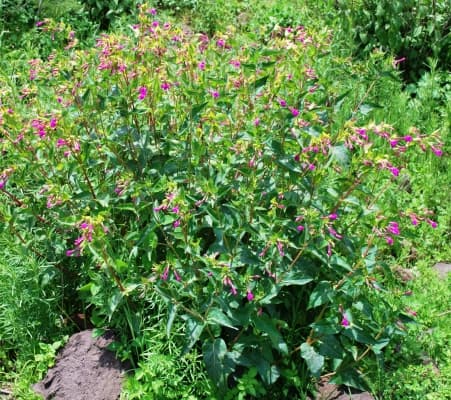
Mirabilis jalapa
Mirabilis jalapa
Family: Nyctaginaceae
Cultivation
Mirabilis jalapa is a plant mainly of the subtropical zone, but is widely cultivated and has escaped and can now bee found established in many countries of the world from the warm temperate zone to the tropics. The roots of established plants can survive winter temperatures down to -5°c. Succeeds in almost any ordinary garden soil.
Full cultivation guide →
Mirabilis multiflora
Mirabilis multiflora
Family: Nyctaginaceae
Cultivation
Requires a fertile well-drained soil in full sun or part-day shade. Plants flower in their first year from seed and, although they are not very hardy in Britain, tolerating temperatures down to about -10°c when in a suitable situation, they can either be grown as half-hardy annuals or the tubers can be harvested in the autumn and stored overwinter in a cool frost-free place in much the same manner as dahlias. Members of this genus are rarely if ever troubled by browsing deer.
Full cultivation guide →Mirabilis nyctaginea
Mirabilis nyctaginea
Family: Nyctaginaceae
Cultivation
Requires a fertile well-drained soil in full sun or part-day shade. Plants flower in their first year from seed and, although they are not very hardy in Britain, they can either be grown as half-hardy annuals or the tubers can be harvested in the autumn and stored overwinter in a cool frost-free place in much the same manner as dahlias. Members of this genus are rarely if ever troubled by browsing deer.
Full cultivation guide →