Lapeirousia — 7 species
Botanical species in the genus Lapeirousia recorded in the PlantPeers database.

Lapeirousia bainesii
Lapeirousia bainesii
Family: Iridaceae
Cultivation
The flowers open in the late afternoon and last through the night and into the following day, then they wilt rapidly in the dry, hot daylight conditions. The freshly opened flowers have a strong sweet and pleasant fragrance and produce abundant nectar.
Full cultivation guide →
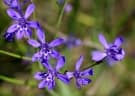
Lapeirousia erythrantha
Lapeirousia erythrantha
Family: Iridaceae
Cultivation
The plant's frequency in thin soils in rocky sites suggests that the corms are protected in such habitats, while in deeper ground they are accessible to rodents, porcupines, and perhaps other animals. There seems no a priori reason for the apparent preference for rocky habitats, and plants grow well in cultivation in almost any type and depth of soil.
Full cultivation guide →


Lapeirousia odoratissima
Lapeirousia odoratissima
Family: Iridaceae
Cultivation
The flowers open toward sunset, at which time they are creamy white. By morning the perianth has turned ivory to buff, and the tepals droop slightly below the horizontal; they wilt by the end of the day. The flowers are most intensely fragrant when they first open but maintain their scent through the following day.
Full cultivation guide →
Lapeirousia schimperi
Lapeirousia schimperi
Family: Iridaceae
Cultivation
The flowers open in late afternoon and last through the night, but gradually wilt the next day. Some collections note a sweet fragrance when the flowers are open, but live plants from Namibia were scentless, suggesting variation in this character.
Full cultivation guide →