Knema — 7 species
Botanical species in the genus Knema recorded in the PlantPeers database.

Knema elegans
Knema elegans
Family: Myristicaceae
Cultivation
A dioecious species, both male and female forms need to be grown if fruit and seed are required.
Full cultivation guide →
Knema glauca
Knema glauca
Family: Myristicaceae
Cultivation
A tree mainly of moist, tropical lowlands, ascending also to elevations up to 1,000 metres. Trees are found on a wide variety of soils in the wild, including sandstone, clay, and lateritic, granitic, and black soil, (coral-)limestone, alluvial soils. Trees can flower and fruit all year round.
Full cultivation guide →Knema glaucescens
Knema glaucescens
Family: Myristicaceae
Cultivation
A tree of moist, tropical lowlands, where it can be found at elevations up to 500 metres. Succeeds in a range of soils in the wild, where it grows in sand, granitic sand, and clayey soils. A dioecious species, both male and female forms need to be grown if fruit and seed are required.
Full cultivation guide →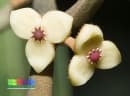
Knema globularia
Knema globularia
Family: Myristicaceae
Cultivation
A tree of moist, tropical lowlands, where it can be found at elevations up to 1,200 metres. A dioecious species, both male and female forms need to be grown if fruit and seed are required.
Full cultivation guide →Knema intermedia
Knema intermedia
Family: Myristicaceae
Cultivation
A tree of moist, tropical lowlands, where it can be found at elevations up to 1,000 metres. The tree can flower and fruit all year round. A dioecious species, both male and female forms need to be grown if fruit and seed are required.
Full cultivation guide →
Knema laurina
Knema laurina
Family: Myristicaceae
Cultivation
A tree of moist, tropical lowlands, where it can be found at elevations up to 1,000 metres. Succeeds on a wide range of soils in the wild. A dioecious species, both male and female forms need to be grown if fruit and seed are required.
Full cultivation guide →Knema tenuinervia
Knema tenuinervia
Family: Myristicaceae
Cultivation
. A dioecious species, both male and female forms need to be grown if fruit and seed are required.
Full cultivation guide →