Juglans — 21 species
Botanical species in the genus Juglans recorded in the PlantPeers database.

Juglans ailantifolia
Juglans ailantifolia
Family: Juglandaceae
Cultivation
This is the hardiest member of the genus, capable of growing in all areas of Britain. It is also resistant to the attacks of most insects. When dormant, the tree has been known to survive temperatures down to -40°c - the youngest wood was killed, but the tree quickly regenerated the following year.
Full cultivation guide →Juglans ailantifolia cordiformis
Juglans ailantifolia cordiformis
Family: Juglandaceae
Cultivation
This is the hardiest member of the genus, capable of growing in all areas of Britain. When dormant, the tree has been known to survive temperatures down to -40°c - the youngest wood was killed, but the tree quickly regenerated the following year. New growth, however, is much less hardy and can be damaged by temperatures just above freezing.
Full cultivation guide →
Juglans australis
Juglans australis
Family: Juglandaceae
Cultivation
Juglans australis is a plant of the subtropics and higher elevations in the tropics, where it is generally found at elevations above 1,000 metres.
Full cultivation guide →
Juglans boliviana
Juglans boliviana
Family: Juglandaceae
Cultivation
A plant of moderate to higher elevations in the tropics, in areas where there is good rainfall.
Full cultivation guide →Juglans californica
Juglans californica
Family: Juglandaceae
Cultivation
Juglans californica is native to the more or less Mediterranean climate of southern California, with its hot, dry summers and cooler, moist winters. It is not very hardy in most of the temperate zone, being able to tolerate short periods with temperatures down to between -5 and -10°c when dormant so long as the summer has been hot enough to fully ripen the wood. The young growth in spring is very susceptible to frost damage.
Full cultivation guide →Juglans cinerea
Juglans cinerea
Family: Juglandaceae
Cultivation
Juglans cinerea is the most cold-resistant of the walnuts, tolerating temperatures down to about -35°c in N. America when fully dormant. The tree prefers hot summers, however, and does not grow so well in more maritime climates where the wood may not ripen fully and the young growth in spring can be stimulated into early growth and then be damaged by late frosts.
Full cultivation guide →Juglans hindsii
Juglans hindsii
Family: Juglandaceae
Cultivation
Juglams hindsii is not a very cold-hardy plant, being able to tolerate short periods with temperatures falling to around -5 to -8°c when fully dormant. It requires a hot summer if it is to thrive, in cool summers the wood does not fully ripen and is then more susceptible to damage by cold. The young growth in spring is also very tender and can be damaged by late frosts.
Full cultivation guide →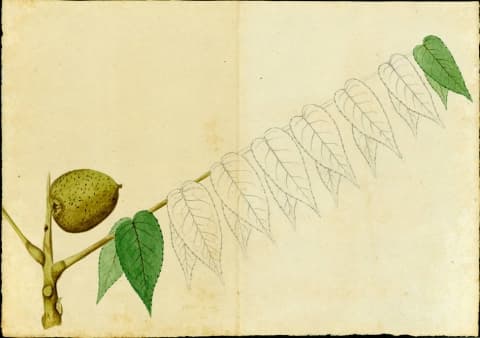
Juglans jamaicensis
Juglans jamaicensis
Family: Juglandaceae
Cultivation
A plant of moderate to higher elevations in the tropics, in areas where there is good rainfall.
Full cultivation guide →Juglans major
Juglans major
Family: Juglandaceae
Cultivation
Juglans major is native to semi-arid areas of northern Mexico and southern USA, where it can be found at elevations up to 2,300 metres. It is said to have a hardiness rating of 8 - 9 (tolerating short periods with temperatures falling to around -4°c to -8°c), though it is likely to be hardier. There are examples of mature plants up to 18 metres tall in northern England (hardiness zone 6), for example.
Full cultivation guide →Juglans mandshurica
Juglans mandshurica
Family: Juglandaceae
Cultivation
Juglans mandschurica is is a very cold-hardy plant, able to tolerate temperatures down to around -25°c when fully dormant. It prefers a continental climate with its hot summers, cold winters and usually a clear movement from one season to another. It is easily excited into growth as the season warms up and, in areas where periods of mild weather can be interspersed with a return to cold conditions, this new growth is very susceptible to damage by temperatures near to or below freezing Requires a deep well-drained loam and a sunny position sheltered from strong winds.
Full cultivation guide →Juglans microcarpa
Juglans microcarpa
Family: Juglandaceae
Cultivation
Requires a deep well-drained loam and a sunny position sheltered from strong winds. Prefers a slightly alkaline soil. This species often experiences drought in its native range.
Full cultivation guide →Juglans mollis
Juglans mollis
Family: Juglandaceae
Cultivation
A plant of moderate elevations in the subtropics to tropics, usually found at elevations between 1,000 - 2,000 metres. It usually grows in areas of good rainfall.
Full cultivation guide →
Juglans neotropica
Juglans neotropica
Family: Juglandaceae
Cultivation
A plant of higher elevations of the tropics, growing at elevations of 1,600 - 3,000 metres. Grows in areas of low to medium rainfall with an annual precipitation of 1,000 to 3,000 mm that is distributed throughout the year. Prefers an average temperature that ranges between 14 - 22°c.
Full cultivation guide →Juglans nigra
Juglans nigra
Family: Juglandaceae
Cultivation
The black walnut grows best areas with an annual precipitation from 30 to 130cm, an annual temperature in the range of 7 to 19°C and a pH from 4.9 - 8.2. The dormant plant is very cold hardy, but the young growth in spring, however, can be damaged by late frosts. Requires a deep well-drained loam and a sunny position sheltered from strong winds.
Full cultivation guide →
Juglans olanchana
Juglans olanchana
Family: Juglandaceae
Cultivation
A tree mainly found at medium elevations in the tropics, most commonly between 400 - 1,600 metres, though there is one report of a specimen collected near sea level in Nicaragua. It grows in areas of good rainfall.
Full cultivation guide →Juglans pyriformis
Juglans pyriformis
Family: Juglandaceae
Cultivation
A plant of moderate to higher elevations in the tropics, in areas where there is good rainfall.
Full cultivation guide →Juglans regia
Juglans regia
Family: Juglandaceae
Cultivation
Juglans regia is reported to tolerate an annual precipitation of 31 to 147cm, an annual temperature in the range of 7.0 to 21.1°C and a pH in the range of 4.5 to 8.2. The dormant plant is very cold tolerant, tolerating temperatures down to about -27°C without serious damage, but the young spring growth is rather tender and can be damaged by late frosts. Some late-leafing cultivars have been developed, these often avoid damage from spring frosts and can produce a better quality timber tree.
Full cultivation guide →Juglans sigillata
Juglans sigillata
Family: Juglandaceae
Cultivation
The dormant plant is very cold-tolerant, but the young growth in spring, however, can be damaged by late frosts. Requires a deep well-drained loam and a sunny position sheltered from strong winds. Prefers a slightly alkaline soil.
Full cultivation guide →Juglans steyermarkii
Juglans steyermarkii
Family: Juglandaceae
Cultivation
A plant of moderate elevations in the tropics, growing in areas of good rainfall.
Full cultivation guide →Juglans × bixbyi
Juglans × bixbyi
Family: Juglandaceae
Cultivation
Requires a deep well-drained loam and a sunny position sheltered from strong winds. Prefers a slightly alkaline soil. Plants are fast-growing and grafted plants can commence producing fruit when around 3 - 4 years old.
Full cultivation guide →Juglans × intermedia
Juglans × intermedia
Family: Juglandaceae
Cultivation
Requires a deep well-drained loam and a sunny position sheltered from strong winds. Prefers a slightly alkaline soil. Plants produce a deep taproot and they are intolerant of root disturbance.
Full cultivation guide →