Grevillea — 6 species
Botanical species in the genus Grevillea recorded in the PlantPeers database.
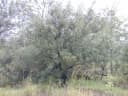
Grevillea banksii
Grevillea banksii
Family: Proteaceae
Cultivation
A plant of tropical and subtropical regions, found at elevations of 250 - 2,000 metres. Grows best in regions of high rainfall. Plants are moderately frost-tolerant.
Full cultivation guide →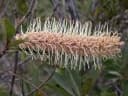

Grevillea parallela
Grevillea parallela
Family: Proteaceae
Cultivation
A plant of the tropics and subtropics, where it is found at elevations up to 900 metres. It grows best in areas where annual daytime temperatures are within the range 22 - 35°c, but can tolerate 10 - 46°c. It prefers a mean annual rainfall in the range 700 - 1,400mm, but tolerates 500 - 1,700mm.
Full cultivation guide →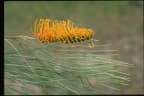
Grevillea pteridifolia
Grevillea pteridifolia
Family: Proteaceae
Cultivation
A plant of tropical areas, where it is found at elevations from 250 - 2,000 metres. It grows best in areas with a mean annual rainfall of 1,000 - 1,500 mm. The plant tolerates some frost and can withstand a dry season of 6 - 8 months.
Full cultivation guide →
Grevillea robusta
Grevillea robusta
Family: Proteaceae
Cultivation
Succeeds in warm temperate to tropical regions. In tropical areas it can grow at elevations from 130 - 2,300 metres, whilst in the temperate zone it is found from sea level to 1,000 metres. The plant is found in areas where the mean annual rainfall is in the range 700 - 1,700mm, with a dry season of 0 - 6 months.
Full cultivation guide →
Grevillea striata
Grevillea striata
Family: Proteaceae
Cultivation
Found in the warm temperate to tropical areas of Australia. Found in the wild in a range of soil types including red sands, gravelly loams, and occasionally black soils or calcareous clays.
Full cultivation guide →