Glochidion — 21 species
Botanical species in the genus Glochidion recorded in the PlantPeers database.

Glochidion acuminatum
Glochidion acuminatum
Family: Phyllanthaceae
Cultivation
Found in the wild on soils over granite bedrock. This species is noteworthy for its pollination mechanism, which involves a symbiotic relationship with moths of the genus Epicephala. This closely parallels that found in Yucca species.
Full cultivation guide →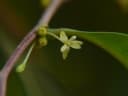
Glochidion candolleanum
Glochidion candolleanum
Family: Phyllanthaceae
Cultivation
This species is noteworthy for its pollination mechanism, which involves a symbiotic relationship with moths of the genus Epicephala. This closely parallels that found in Yucca species.
Full cultivation guide →
Glochidion comitum
Glochidion comitum
Family: Phyllanthaceae
Cultivation
This species is noteworthy for its pollination mechanism, which involves a symbiotic relationship with moths of the genus Epicephala. This closely parallels that found in Yucca species.
Full cultivation guide →Glochidion concolor
Glochidion concolor
Family: Phyllanthaceae
Cultivation
The plant can flower and produce fruit all year round. This species is noteworthy for its pollination mechanism, which involves a symbiotic relationship with moths of the genus Epicephala. This closely parallels that found in Yucca species.
Full cultivation guide →Glochidion cordatum
Glochidion cordatum
Family: Phyllanthaceae
Cultivation
The plant flowers and produces fruit all year round. This species is noteworthy for its pollination mechanism, which involves a symbiotic relationship with moths of the genus Epicephala. This closely parallels that found in Yucca species.
Full cultivation guide →Glochidion daltonii
Glochidion daltonii
Family: Phyllanthaceae
Cultivation
This species is noteworthy for its pollination mechanism, which involves a symbiotic relationship with moths of the genus Epicephala. This closely parallels that found in Yucca species.
Full cultivation guide →
Glochidion eriocarpum
Glochidion eriocarpum
Family: Euphorbiaceae
Cultivation
We have very little information on this species and do not know if it will be hardy in Britain. However, judging by its native range, it could succeed outdoors at least in the milder areas of the country. It is likely to require a sheltered sunny position with some protection from winter cold.
Full cultivation guide →Glochidion glomerulatum
Glochidion glomerulatum
Family: Phyllanthaceae
Cultivation
Found in the wild on sandy to clay soils. This species is noteworthy for its pollination mechanism, which involves a symbiotic relationship with moths of the genus Epicephala. This closely parallels that found in Yucca species.
Full cultivation guide →
Glochidion hohenackeri
Glochidion hohenackeri
Family: Phyllanthaceae
Cultivation
This species is noteworthy for its pollination mechanism, which involves a symbiotic relationship with moths of the genus Epicephala. This closely parallels that found in Yucca species.
Full cultivation guide →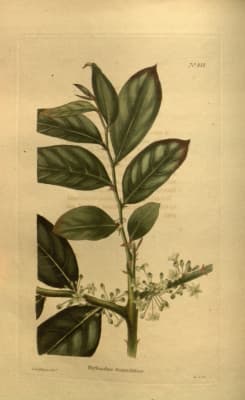
Glochidion lanceolarium
Glochidion lanceolarium
Family: Phyllanthaceae
Cultivation
This species is noteworthy for its pollination mechanism, which involves a symbiotic relationship with moths of the genus Epicephala. This closely parallels that found in Yucca species.
Full cultivation guide →
Glochidion littorale
Glochidion littorale
Family: Phyllanthaceae
Cultivation
The plant is often found growing in poor, sandy soils in the wild. This species is noteworthy for its pollination mechanism, which involves a symbiotic relationship with moths of the genus Epicephala. This closely parallels that found in Yucca species.
Full cultivation guide →
Glochidion marianum
Glochidion marianum
Family: Phyllanthaceae
Cultivation
This species is noteworthy for its pollination mechanism, which involves a symbiotic relationship with moths of the genus Epicephala. This closely parallels that found in Yucca species.
Full cultivation guide →Glochidion obscurum
Glochidion obscurum
Family: Phyllanthaceae
Cultivation
This species is noteworthy for its pollination mechanism, which involves a symbiotic relationship with moths of the genus Epicephala. This closely parallels that found in Yucca species.
Full cultivation guide →
Glochidion philippicum
Glochidion philippicum
Family: Phyllanthaceae
Cultivation
This species is noteworthy for its pollination mechanism, which involves a symbiotic relationship with moths of the genus Epicephala. This closely parallels that found in Yucca species.
Full cultivation guide →Glochidion phyllanthoides
Glochidion phyllanthoides
Family: Phyllanthaceae
Cultivation
This species is noteworthy for its pollination mechanism, which involves a symbiotic relationship with moths of the genus Epicephala. This closely parallels that found in Yucca species.
Full cultivation guide →
Glochidion puberum
Glochidion puberum
Family: Euphorbiaceae
Cultivation
We have very little information on this species and do not know if it will be hardy in Britain. However, judging by its native range, it could succeed outdoors at least in the milder areas of the country. It is likely to require a sheltered sunny position with some protection from winter cold.
Full cultivation guide →
Glochidion rubrum
Glochidion rubrum
Family: Phyllanthaceae
Cultivation
Found in the wild on silty, rocky, clay shale, sandy podsolic and limestone soils. This species is noteworthy for its pollination mechanism, which involves a symbiotic relationship with moths of the genus Epicephala. This closely parallels that found in Yucca species.
Full cultivation guide →Glochidion seemannii
Glochidion seemannii
Family: Phyllanthaceae
Cultivation
The plant can flower and produce fruit all year round. This species is noteworthy for its pollination mechanism, which involves a symbiotic relationship with moths of the genus Epicephala. This closely parallels that found in Yucca species.
Full cultivation guide →Glochidion sphaerogynum
Glochidion sphaerogynum
Family: Phyllanthaceae
Cultivation
This species is noteworthy for its pollination mechanism, which involves a symbiotic relationship with moths of the genus Epicephala. This closely parallels that found in Yucca species.
Full cultivation guide →
Glochidion velutinum
Glochidion velutinum
Family: Phyllanthaceae
Cultivation
This species is noteworthy for its pollination mechanism, which involves a symbiotic relationship with moths of the genus Epicephala. This closely parallels that found in Yucca species.
Full cultivation guide →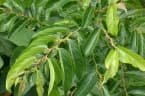
Glochidion zeylanicum
Glochidion zeylanicum
Family: Phyllanthaceae
Cultivation
Grows in the wild on granite bedrock. This species is noteworthy for its pollination mechanism, which involves a symbiotic relationship with moths of the genus Epicephala. This closely parallels that found in Yucca species.
Full cultivation guide →