Dysoxylum — 30 species
Botanical species in the genus Dysoxylum recorded in the PlantPeers database.

Dysoxylum acutangulum
Dysoxylum acutangulum
Family: Meliaceae
Cultivation
We have no specific information for this species, but most members of the genus are dioecious, in which case both male and female forms need to be grown if fruit and seed are required.
Full cultivation guide →
Dysoxylum alliaceum
Dysoxylum alliaceum
Family: Meliaceae
Cultivation
The dried flowering specimens have a strong, very disagreeable odour that is characteristic of various parts of many species in the genus. All parts of the plant smell strongly of onions. We have no specific information for this species, but most members of the genus are dioecious, in which case both male and female forms need to be grown if fruit and seed are required.
Full cultivation guide →
Dysoxylum arborescens
Dysoxylum arborescens
Family: Meliaceae
Cultivation
Plants can commence flowering when around 1 metre tall. Most species in this genus are dioecious, but this species generally has bisexual flowers.
Full cultivation guide →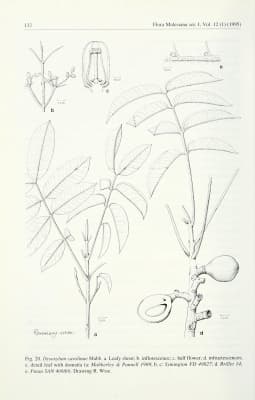
Dysoxylum carolinae
Dysoxylum carolinae
Family: Meliaceae
Cultivation
We have no specific information for this species, but most members of the genus are dioecious, in which case both male and female forms need to be grown if fruit and seed are required.
Full cultivation guide →
Dysoxylum cauliflorum
Dysoxylum cauliflorum
Family: Meliaceae
Cultivation
The plant is cauliflorous, producing its flowers along the wood of the stems and branches. We have no specific information for this species, but most members of the genus are dioecious, in which case both male and female forms need to be grown if fruit and seed are required.
Full cultivation guide →Dysoxylum crassum
Dysoxylum crassum
Family: Meliaceae
Cultivation
The plant is often found in the wild in Kerangas forest - a type of moist, heath forest found on acidic, sandy soils that are low in nutrients, especially nitrogen. We have no specific information for this species, but most members of the genus are dioecious, in which case both male and female forms need to be grown if fruit and seed are required.
Full cultivation guide →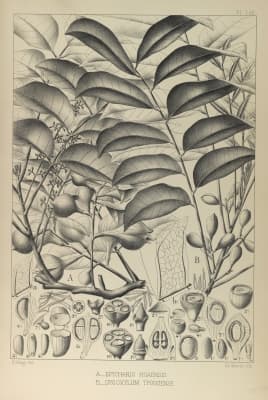
Dysoxylum cyrtobotryum
Dysoxylum cyrtobotryum
Family: Meliaceae
Cultivation
We have no specific information for this species, but most members of the genus are dioecious, in which case both male and female forms need to be grown if fruit and seed are required.
Full cultivation guide →Dysoxylum densiflorum
Dysoxylum densiflorum
Family: Meliaceae
Cultivation
We have no specific information for this species, but most members of the genus are dioecious, in which case both male and female forms need to be grown if fruit and seed are required.
Full cultivation guide →Dysoxylum excelsum
Dysoxylum excelsum
Family: Meliaceae
Cultivation
A plant of low to moderate elevations in the tropics. Succeeding from sea level up to around 1,500 metres. Succeeds in clayey to sandy soils.
Full cultivation guide →Dysoxylum flavescens
Dysoxylum flavescens
Family: Meliaceae
Cultivation
We have no specific information for this species, but most members of the genus are dioecious, in which case both male and female forms need to be grown if fruit and seed are required.
Full cultivation guide →
Dysoxylum fraserianum
Dysoxylum fraserianum
Family: Meliaceae
Cultivation
A tree mainly of the sub-tropical zone in eastern Australia, occasionally found further north in the tropical rain forest. Established plants can tolerate some frosts. Succeeds in full sun once established, but probably requires some shade when smaller.
Full cultivation guide →
Dysoxylum gaudichaudianum
Dysoxylum gaudichaudianum
Family: Meliaceae
Cultivation
We have no specific information for this species, but most members of the genus are dioecious, in which case both male and female forms need to be grown if fruit and seed are required.
Full cultivation guide →Dysoxylum glandulosum
Dysoxylum glandulosum
Family: Meliaceae
Cultivation
We have no specific information for this species, but most members of the genus are dioecious, in which case both male and female forms need to be grown if fruit and seed are required.
Full cultivation guide →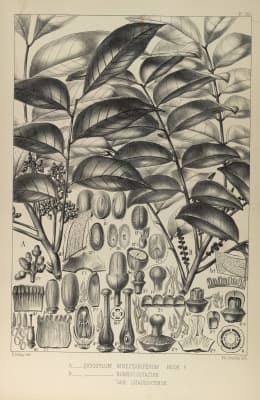
Dysoxylum gotadhora
Dysoxylum gotadhora
Family: Meliaceae
Cultivation
We have no specific information for this species, but most members of the genus are dioecious, in which case both male and female forms need to be grown if fruit and seed are required.
Full cultivation guide →Dysoxylum grande
Dysoxylum grande
Family: Meliaceae
Cultivation
We have no specific information for this species, but most members of the genus are dioecious, in which case both male and female forms need to be grown if fruit and seed are required.
Full cultivation guide →Dysoxylum hongkongense
Dysoxylum hongkongense
Family: Meliaceae
Cultivation
We have no specific information for this species, but most members of the genus are dioecious, in which case both male and female forms need to be grown if fruit and seed are required.
Full cultivation guide →
Dysoxylum macrocarpum
Dysoxylum macrocarpum
Family: Meliaceae
Cultivation
We have no specific information for this species, but most members of the genus are dioecious, in which case both male and female forms need to be grown if fruit and seed are required.
Full cultivation guide →Dysoxylum malabaricum
Dysoxylum malabaricum
Family: Meliaceae
Cultivation
The tree is primarily an outbreeding species, but rare cases of selfing are also observed.
Full cultivation guide →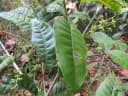
Dysoxylum mollissimum
Dysoxylum mollissimum
Family: Meliaceae
Cultivation
Succeeds in tropical and subtropical climates. We have no specific information for this species, but most members of the genus are dioecious, in which case both male and female forms need to be grown if fruit and seed are required.
Full cultivation guide →
Dysoxylum oppositifolium
Dysoxylum oppositifolium
Family: Meliaceae
Cultivation
We have no specific information for this species, but most members of the genus are dioecious, in which case both male and female forms need to be grown if fruit and seed are required.
Full cultivation guide →
Dysoxylum papuanum
Dysoxylum papuanum
Family: Meliaceae
Cultivation
We have no specific information for this species, but most members of the genus are dioecious, in which case both male and female forms need to be grown if fruit and seed are required.
Full cultivation guide →
Dysoxylum parasiticum
Dysoxylum parasiticum
Family: Meliaceae
Cultivation
Plants can commence flowering while still an unbranched or sparsely branched small tree. We have no specific information for this species, but most members of the genus are dioecious, in which case both male and female forms need to be grown if fruit and seed are required.
Full cultivation guide →
Dysoxylum pettigrewianum
Dysoxylum pettigrewianum
Family: Meliaceae
Cultivation
We have no specific information for this species, but most members of the genus are dioecious, in which case both male and female forms need to be grown if fruit and seed are required.
Full cultivation guide →Dysoxylum rigidum
Dysoxylum rigidum
Family: Meliaceae
Cultivation
We have no specific information for this species, but most members of the genus are dioecious, in which case both male and female forms need to be grown if fruit and seed are required.
Full cultivation guide →
Dysoxylum rufum
Dysoxylum rufum
Family: Meliaceae
Cultivation
A plant of the tropics and the subtropics, able to withstand some light frost. Prefers a fertile soil, but can succeed in poorer conditions. We have no specific information for this species, but most members of the genus are dioecious, in which case both male and female forms need to be grown if fruit and seed are required.
Full cultivation guide →Dysoxylum rugulosum
Dysoxylum rugulosum
Family: Meliaceae
Cultivation
Plants can commence flowering whilst still saplings. We have no specific information for this species, but most members of the genus are dioecious, in which case both male and female forms need to be grown if fruit and seed are required.
Full cultivation guide →
Dysoxylum setosum
Dysoxylum setosum
Family: Meliaceae
Cultivation
Plants are often found on coral and other limestones in the wild. We have no specific information for this species, but most members of the genus are dioecious, in which case both male and female forms need to be grown if fruit and seed are required.
Full cultivation guide →Dysoxylum sparsiflorum
Dysoxylum sparsiflorum
Family: Meliaceae
Cultivation
We have no specific information for this species, but most members of the genus are dioecious, in which case both male and female forms need to be grown if fruit and seed are required.
Full cultivation guide →Dysoxylum variabile
Dysoxylum variabile
Family: Meliaceae
Cultivation
Trees usually flower when 3 metres or less tall. We have no specific information for this species, but most members of the genus are dioecious, in which case both male and female forms need to be grown if fruit and seed are required.
Full cultivation guide →