Convolvulus — 5 species
Botanical species in the genus Convolvulus recorded in the PlantPeers database.

Convolvulus arvensis
Convolvulus arvensis
Family: Convolvulaceae
Cultivation
Prefers a lighter basic soil of low to medium fertility. Bindweed is a very deep-rooting plant with a vigorous root system that extends to a considerable distance and is very hard to eradicate from the soil. Even a small piece of the root will grow into a new plant if it is left in the ground.
Full cultivation guide →Convolvulus erubescens
Convolvulus erubescens
Family: Convolvulaceae
Cultivation
We have very little information on this species and do not know how cold hardy it will be in British gardens. It is hardy to about -7°c in Australian gardens, though this cannot be applied directly to British gardens due to our cooler summers and longer, colder and wetter winters. It is likely that this species will only succeed outdoors in the milder areas of the country.
Full cultivation guide →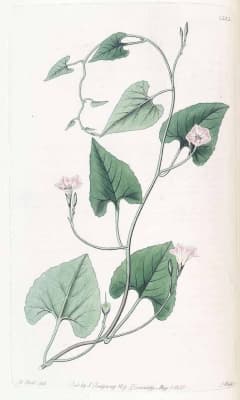
Convolvulus farinosus
Convolvulus farinosus
Family: Convolvulaceae
Cultivation
The plant can become a troublesome weed of farmland within its native range.
Full cultivation guide →Convolvulus scammonia
Convolvulus scammonia
Family: Convolvulaceae
Cultivation
Prefers a light basic sharply drained soil of low to medium fertility. Prefers a sunny sheltered position. Thrives in dry soils and succeeds in ordinary garden soils.
Full cultivation guide →Convolvulus tricolor
Convolvulus tricolor
Family: Convolvulaceae
Cultivation
Requires a sheltered position in a well-drained low to medium fertility soil and a very sunny position. This plant is generally hardy to zone 8 (tolerating temperatures down to about -5°) but some forms are much hardier and can tolerate temperatures down to about -20°c. An annual to short-lived perennial species, it is usually grown as an annual in Britain.
Full cultivation guide →