Abuta — 10 species
Botanical species in the genus Abuta recorded in the PlantPeers database.

Abuta aristeguietae
Abuta aristeguietae
Family: Menispermaceae
Cultivation
A dioecious species, both male and female forms need to be grown if fruit and seed are required.
Full cultivation guide →Abuta barbata
Abuta barbata
Family: Menispermaceae
Cultivation
A dioecious species, both male and female forms need to be grown if fruit and seed are required.
Full cultivation guide →Abuta candollei
Abuta candollei
Family: Menispermaceae
Cultivation
A dioecious species, both male and female forms need to be grown if fruit and seed are required.
Full cultivation guide →Abuta grandifolia
Abuta grandifolia
Family: Menispermaceae
Cultivation
A plant of mainly lowland areas in the moist tropics. A dioecious species, both male and female forms need to be grown if fruit and seed are required.
Full cultivation guide →Abuta imene
Abuta imene
Family: Menispermaceae
Cultivation
A dioecious species, both male and female forms need to be grown if fruit and seed are required.
Full cultivation guide →Abuta obovata
Abuta obovata
Family: Menispermaceae
Cultivation
A dioecious species, both male and female forms need to be grown if fruit and seed are required.
Full cultivation guide →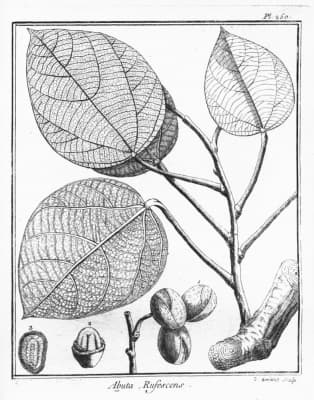
Abuta rufescens
Abuta rufescens
Family: Menispermaceae
Cultivation
A plant of mainly lowland areas in the tropics, where it is found at elevations up to about 1,000 metres. A dioecious species, both male and female forms need to be grown if fruit and seed are required.
Full cultivation guide →Abuta sandwithiana
Abuta sandwithiana
Family: Menispermaceae
Cultivation
A dioecious species, both male and female forms need to be grown if fruit and seed are required.
Full cultivation guide →Abuta selloana
Abuta selloana
Family: Menispermaceae
Cultivation
A dioecious species, both male and female forms need to be grown if fruit and seed are required.
Full cultivation guide →Abuta solimoesensis
Abuta solimoesensis
Family: Menispermaceae
Cultivation
A dioecious species, both male and female forms need to be grown if fruit and seed are required.
Full cultivation guide →